
The Challenge
Madagascar, one of the world’s poorest countries, faces persistent challenges across its public health system. An estimated one in three children lacks vaccination against common diseases, and around ten women die each day from complications related to pregnancy and childbirth.
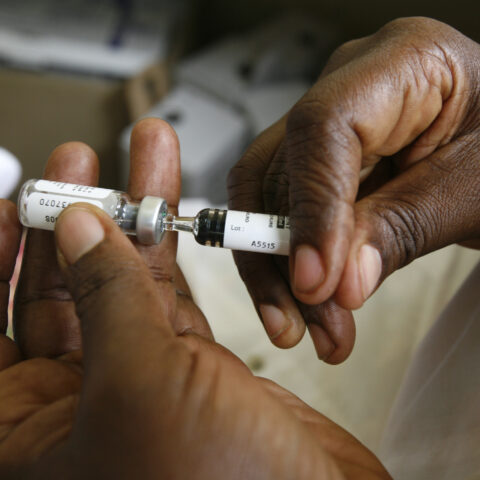
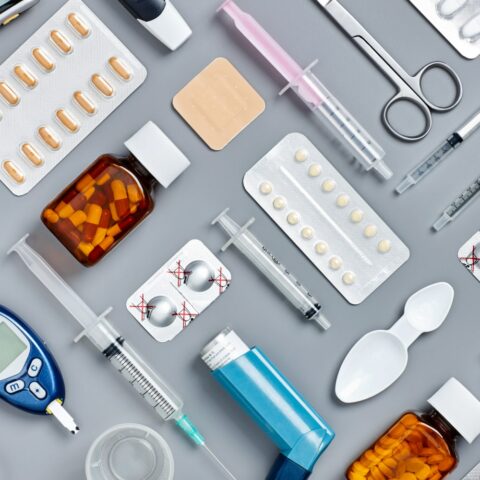
UNICEF is working extensively with the Government of Madagascar to support the procurement of essential medical supplies for the public health system. However, while imported health supplies are exempt from government taxes, duties, and fees, they often face delays of several months before clearance. These delays are driven mainly by a complex 16-step approval process and significant data gaps.
As a result, vital medical products are slow to reach communities that depend on them, further straining already fragile healthcare services.
What We are Doing
The Alliance project in Madagascar is part of the ADEPT programme, an Alliance–UNICEF partnership to reduce the time and cost of importing humanitarian aid, ensuring timely and equitable access for children and vulnerable populations.
It aims to:
- Increase efficiency in duties and tax management for commodities destined for the public healthcare system.
- Improve data-sharing among government actors by integrating procedures into the national single window and connecting relevant Ministry of Public Health and Ministry of Economy and Finance departments.
- Build sustainability by establishing a working group of government bodies, humanitarian organisations and the private sector.
The Alliance and UNICEF will also provide training for relevant personnel, develop reference documentation, and supply basic office IT equipment.
Gender sensitisation is embedded throughout implementation, with public–private dialogues, working groups and engagement activities designed to reflect women’s perspectives.
The Impacts
Reducing friction at the border will accelerate access to essential medical supplies across Madagascar. Successful implementation will improve the delivery of medical products for humanitarian purposes by:
- Streamline fragmented clearance procedures and shorten approval timelines.
- Improve data visibility and coordination among ministries and agencies.
- Reduce avoidable port overheads and storage costs.
- Free up budget to invest directly in healthcare supplies rather than delay-related expenses.
 Madagascar