The Challenge
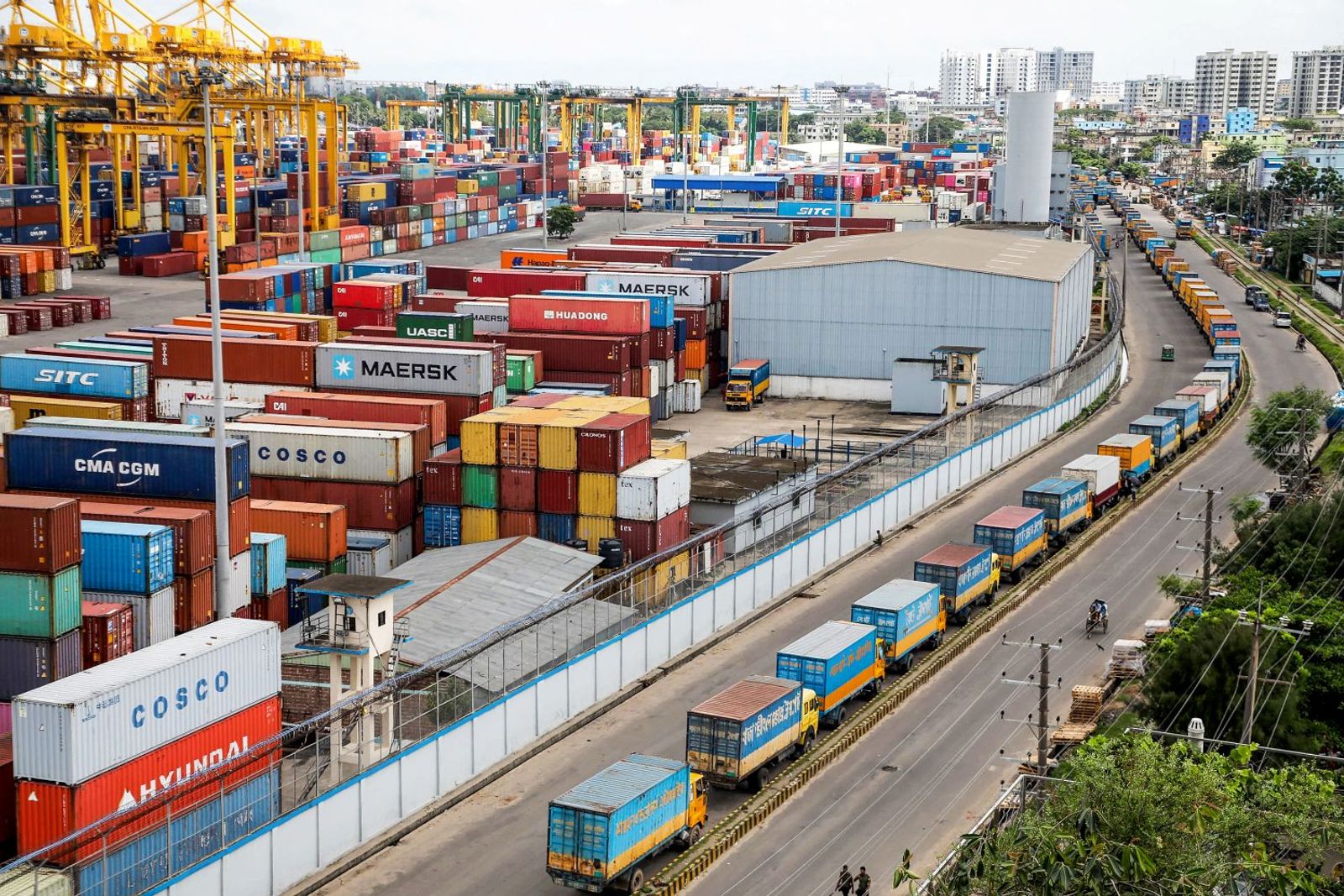
Chattogram Port is the backbone of Bangladesh’s international trade, handling around 92% of the country’s import and export flows. As Bangladesh prepares to graduate from its Least Developed Country (LDC) status, ensuring faster, more predictable and more transparent border procedures has become increasingly important for maintaining the country’s trade competitiveness.
Despite significant investments in customs digitalisation, many clearance processes at Chattogram remain heavily manual and time-consuming. Risk management systems are underutilised, most consignments still undergo documentary checks and post-clearance audit systems remain limited. At the same time, Bangladesh’s Authorized Economic Operator (AEO) programme has yet to deliver meaningful trade facilitation benefits for compliant traders.
These inefficiencies create delays, congestion and high logistics costs for businesses, particularly exporters operating on tight delivery schedules and SMEs with fewer resources to navigate complex border procedures. Delays at the port can also disrupt regional and global supply chains, including Bangladesh’s critical ready-made garment sector.
What We Are Doing
The Alliance is partnering with Bangladesh Customs, the National Board of Revenue (NBR), Chattogram Custom House and private sector stakeholders to modernise customs clearance processes at Chattogram Port through a public-private partnership approach.
The project has a specific operational focus on strengthening risk-based clearance, post-clearance controls and the digitalisation of Bangladesh’s Authorised Economic Operator (AEO) programme. Rather than introducing parallel systems, the project will build on existing customs systems and processes and support the practical implementation of reforms at Chattogram Port.
A key component will be the review and refinement of the customs risk model and its underlying rules applied in Chattogram, followed by implementation of the revised rules within existing customs systems. In parallel, the project will review relevant Standard Operating Procedures (SOPs) at Chattogram Custom House to support the operationalisation of green and blue lane clearance mechanisms. This will enable low-risk consignments to move more quickly through green lane procedures, while selected compliance controls can increasingly be shifted to post-clearance through the blue lane, allowing Customs to focus its resources on higher-risk shipments.
The project will also support the digitalisation of the AEO and Post-Clearance Audit (PCA) processes, including the implementation of dedicated AEO and PCA software. The AEO component will help make programme administration more efficient and facilitate access to more predictable customs procedures for compliant businesses. The PCA component will strengthen Customs’ capacity to conduct effective controls after goods have been released, supporting the broader transition towards risk-based clearance and reducing the need for controls at the border.
These technical interventions will be accompanied by targeted capacity building for Customs officials and extensive engagement with the private sector. Shipping and logistics companies, customs brokers, garment exporters and industry associations will contribute operational insights, participate in consultations and help test and validate proposed processes and solutions.
By combining digitalisation of AEO and PCA, refinement and implementation of the Chattogram risk model, review of SOPs and operationalisation of green and blue lanes, the project aims to translate customs modernisation into practical improvements at Chattogram Port—supporting faster and more predictable clearance for compliant trade while maintaining effective customs oversight.
The project will review and refine the risk model (rule set) applied in Chattogram and support its implementation within existing customs systems. This will enable low-risk consignments to move more quickly through ‘green lane’ clearance procedures, while allowing customs authorities to focus resources on higher-risk shipments.
The Impacts
The project will help reduce clearance times, lower trade costs and improve the predictability of customs procedures at Bangladesh’s main maritime gateway.
By enabling faster clearance for compliant traders while strengthening risk-based controls, the reforms are expected to improve supply chain efficiency for exporters, importers, logistics operators and SMEs, particularly in Bangladesh’s ready-made garment sector.
In the longer term, the initiative is expected to provide a foundation for broader customs modernisation efforts in Bangladesh, helping strengthen the country’s trade competitiveness, support regional connectivity and facilitate more efficient trade flows with international markets, including the European Union.