The Challenge
Bangladesh has a gross national income per capita of USD 2,840 and is classified as a lower-middle-income country. Despite significant economic progress, poverty and vulnerability remain major challenges. The country suffers regularly from natural disasters such as floods, cyclones, landslides, earthquakes and extreme heat. Its high population density and vulnerability to climate change further increase the risk of food insecurity.
UNICEF is working with the Government of Bangladesh to address a broad range of issues, including improving health, nutrition, education and social protection for vulnerable populations.
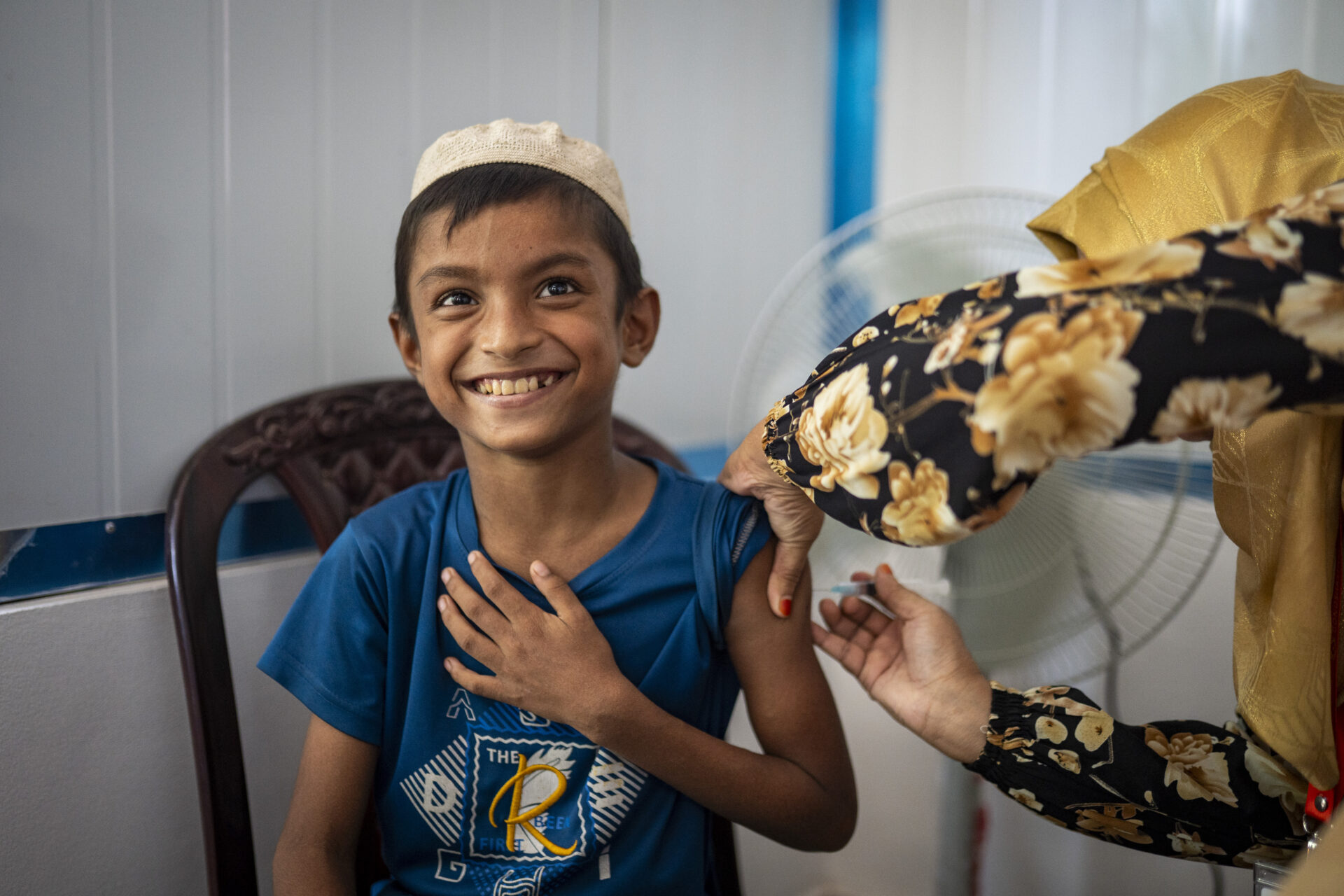
Addressing these challenges requires fast, reliable access to critical medical goods. However, in Bangladesh, the clearance process for healthcare imports can involve multiple steps, often taking several months to complete.
These delays stem from paper-based systems that are complex and fragmented, where approvals may be required on a per-consignment basis, documentary requirements can be unnecessarily exacting, public access to process information is limited and coordination among government agencies is sub-optimal.
What We Are Doing
The Alliance project in Bangladesh is part of the ADEPT programme, an Alliance–UNICEF partnership to reduce the time and cost of importing humanitarian aid, ensuring timely and equitable access for children and vulnerable populations.
It aims to:
- Reduce delays in clearing health products for humanitarian use through process improvement and digitalisation.
- Improve information-sharing among government actors by strengthening coordination and using existing digital systems.
- Build sustainability by establishing a working group of government bodies, humanitarian organisations and the private sector.
Process simplification will involve working with relevant regulatory agencies to streamline current procedures, including improving process documentation and replacing physical documents with electronic equivalents using available systems.
The Alliance will also provide training on new digital processes, along with basic IT equipment and internet connectivity where needed.
The Impact
Reducing border friction will accelerate humanitarian assistance to vulnerable populations across the country. Successful implementation will improve the delivery of medical products for humanitarian purposes by:
- Reducing pre-shipment processing times for health product documentation.
- Improving understanding of processes, leading to fewer errors and delays.
- Increasing visibility of approval processes and strengthening cooperation among ministries, agencies and Customs.
- Lowering storage costs and reducing delays at the border.
 Bangladesh