The Challenge
As Nepal prepares to graduate from Least Developed Country (LDC) status, improving the efficiency and predictability of cross-border trade has become increasingly important for maintaining competitiveness and attracting investment.
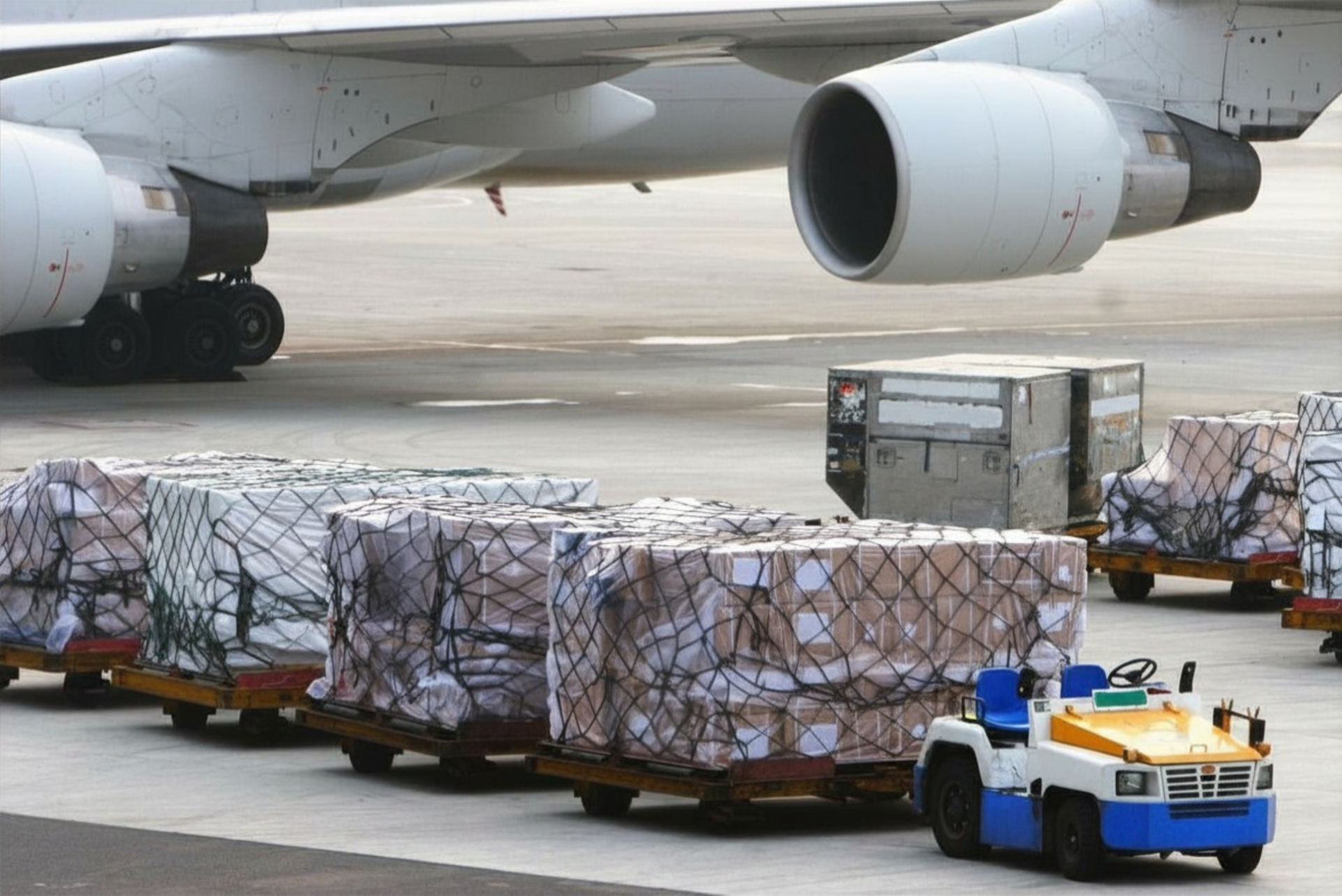
Tribhuvan International Airport (TIA) is Nepal’s only international air cargo gateway and a critical entry point for express parcels, e-commerce shipments and time-sensitive goods. Yet despite existing legal provisions for expedited shipments and pre-arrival processing, express consignments often take at least a day or more to clear customs.
Clearance processes at TIA continue to rely heavily on paper-based checks and manual verification procedures, even for low-risk consignments. Risk management systems are inconsistently applied, pre-arrival data is underutilised and operational disruptions such as system outages and misaligned operating hours frequently create delays and bottlenecks.
These inefficiencies increase costs and reduce delivery reliability for businesses using express services, particularly SMEs and women-led businesses that rely on predictable and fast cross-border deliveries to participate in e-commerce and international trade.
What We Are Doing
The Alliance is partnering with Nepal’s Department of Customs, express operators and private sector stakeholders to optimise and modernise existing express parcel clearance procedures at Tribhuvan International Airport.
The project will strengthen risk-based processing by improving the use of pre-arrival data and developing tailored risk profiles within the ASYCUDA World system, enabling faster clearance for low-risk shipments while improving the targeting of high-risk goods.
It will also operationalise simplified procedures for low-value consignments through clearer eligibility criteria, streamlined documentation requirements and more consistent application of priority processing.
In parallel, the project will strengthen operational resilience by defining backup processes for system outages and other disruptions.
All reforms will be piloted and refined in close collaboration with Customs, DHL, FedEx and other private sector stakeholders to ensure the solutions are practical, effective and sustainable.
The Impact
The project will help reduce clearance times, lower trade costs and improve the predictability of express parcel processing at TIA.
By strengthening risk-based controls and enabling faster clearance for low-risk shipments, the reforms are expected to improve supply chain reliability for express operators, e-commerce businesses, importers and SMEs, including women-led businesses that are particularly affected by unpredictable border procedures.
The project will also support Nepal’s implementation of key WTO Trade Facilitation Agreement commitments, while helping align customs operations with international best practices for express clearance.
 Nepal
Nepal