The Challenge
Nepal, a least developed country (LDC), has an estimated population of 4.2 million. Nearly 15% of this population experiences frequent food insecurity, alongside widespread gaps in healthcare, education, water and sanitation.
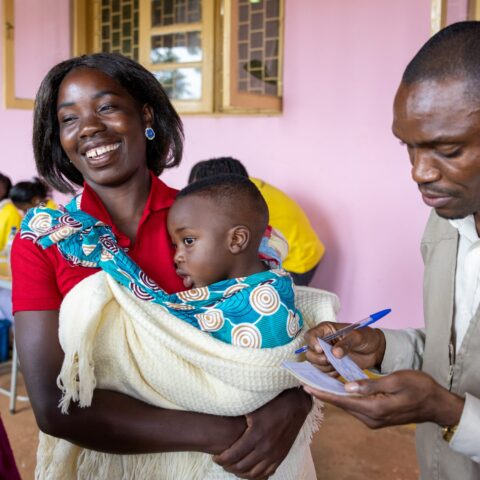
UNICEF is working with the Government of Nepal to address a broad range of issues, including reducing child and maternal mortality and improving healthcare support for vulnerable populations.
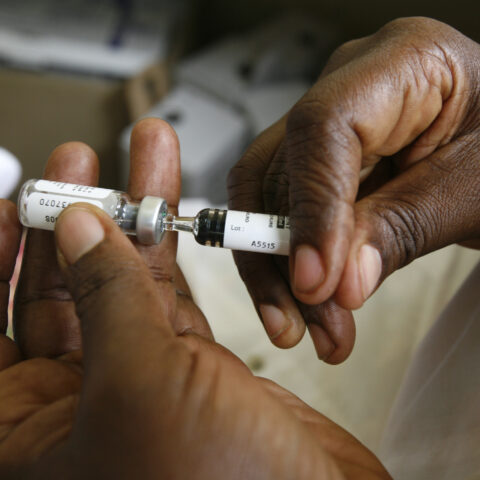
Addressing these challenges requires fast, reliable access to critical medical goods such as syringes and needles. However, in Nepal, the pre-clearance process for healthcare imports involves 18 steps and can take up to 100 days. One sub-process alone, securing exemptions from customs duties, can take up to 10 weeks, limiting the flow of vital humanitarian assistance and driving up costs.
These delays stem from a cumbersome paper-based approval system, sub-optimal information sharing, and discretionary treatment due to a lack of standardised procedures.
What We Are Doing
The Alliance project in Nepal is part of the ADEPT programme, an Alliance–UNICEF partnership to reduce the time and cost of importing humanitarian aid, ensuring timely and equitable access for children and vulnerable populations.
It aims to:
- Reduce delays in clearing health products for humanitarian use through process improvement and digitalisation.
- Improve data-sharing among government actors by connecting relevant regulatory agencies to the existing electronic single window.
- Build sustainability by establishing a working group of government bodies, humanitarian organisations and the private sector.
Process simplification will involve working with the Department of Drug Administration and the Ministry of Finance to streamline current procedures, including replacing physical documents with electronic equivalents.
The Alliance will also provide training on new digital processes, along with basic IT equipment and internet connectivity.
The Impacts
Reducing border friction will accelerate humanitarian assistance to vulnerable populations across Nepal. Successful implementation will improve the delivery of medical products for humanitarian purposes by:
- Reducing pre-shipment processing times for health product documentation.
- Improving traceability and reducing instances of misplaced documentation.
- Increasing visibility and cooperation among ministries, agencies, and Customs.
- Lowering storage costs and the need to hold excess inventory.
 Nepal
Nepal