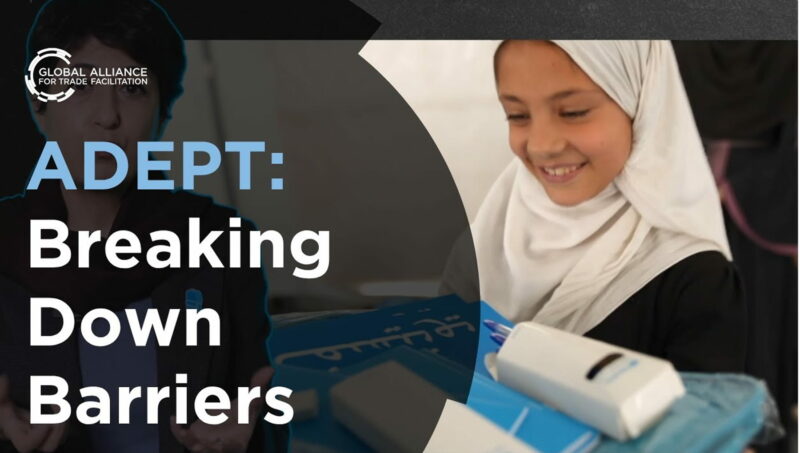
For ten years, the Global Alliance for Trade Facilitation has worked alongside governments and stakeholders to advance practical trade facilitation reforms. Its approach has allowed WTO members to carry out impactful trade facilitation reforms, cut trade costs for the private sector, strengthen institutions, and expand opportunities for small businesses. This decade of delivery is a powerful reminder that effective trade facilitation is not just policy – it’s progress.

About us
Letter from the Director
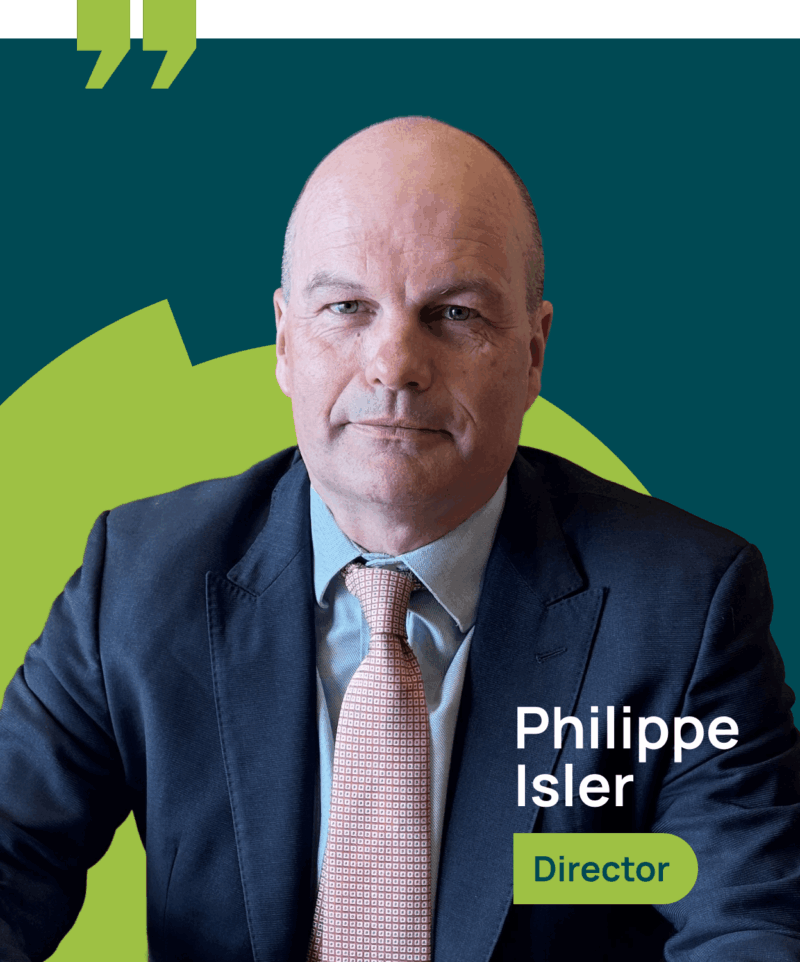
A Decade of Co-creation in Action.
Reflecting on ten years of the Global Alliance for Trade Facilitation.
As I reflect on our journey over the past 10 years, what stands out is how close our Alliance is today compared to the original vision on which it was founded.
The mission of the Alliance was to bring a novel approach to development aid; to design a model of co-creation between governments and the private sector. We sought to combine the people-centric priorities of government with the innovation, speed and results-driven spirit of the private sector.
The Alliance was also built in the spirit of a start-up: with strong backing, ambition and belief, yet with many unknowns. While such a plurality of voices and resources can be challenging, the core purpose of the Alliance—to bring people together through dialogue—prevailed from the outset and has remained a defining attribute over time. After seven years, we had generated enough added value and differentiation to attract new influential donors, such as the European Union and Sweden, not to mention valuable new business partners.
This position of influence is testament to our incredible team and partners and our collaborative model, which has remained resilient during a decade marked by extraordinary turbulence in global trade.
10 years of facilitating trade
Timeline
The Global Alliance for Trade Facilitation is launched
“The Trade Facilitation Agreement represents an enormous opportunity for countries to boost trade-led growth and development. The Alliance looks forward to working with the public and private sectors to support its ambitious implementation and maximise its benefits for local economies.”

Philippe Isler, Director, Global Alliance for Trade Facilitation
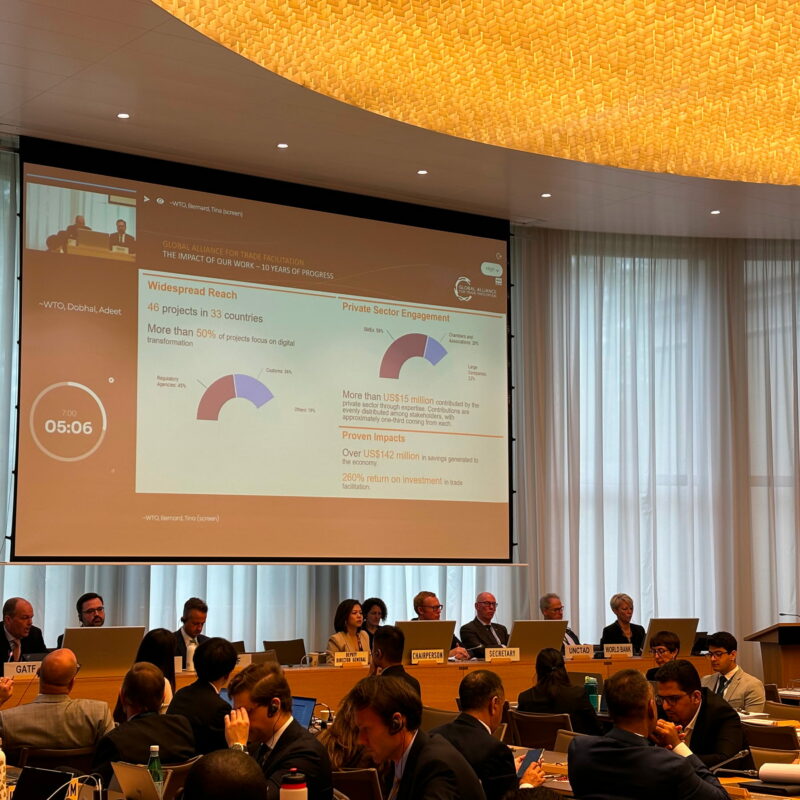
The Alliance rolls out its first projects, with Colombia pioneering the success of co-creation
“As a founding donor, Germany has been proud to support the Alliance from the very start. What I value most is the Alliance’s unique convening power, bringing governments, businesses and development partners together at the same table to examine cross-border challenges from different perspectives. Over the past ten years, this collaborative approach has helped translate reform efforts into meaningful changes on the ground. This milestone reflects the value of dialogue, trust and long-term partnership.”

Christian Bilfinger, Senior Policy Officer, Bundesministerium für wirtschaftliche Zusammenarbeit und Entwicklung (BMZ), Germany
The WTO Trade Facilitation Agreement (TFA) is ratified by two-thirds of WTO members and comes into force
“The world can be very complicated, and trade can be very difficult. When it comes to finding the right information, some MSMEs are mid-ocean. Anything that will help to reduce the time and cost of moving our products across borders would have a positive impact on our business. These changes will help everyone.”

Sopha Soeng, Sela Pepper Ltd. Cambodia
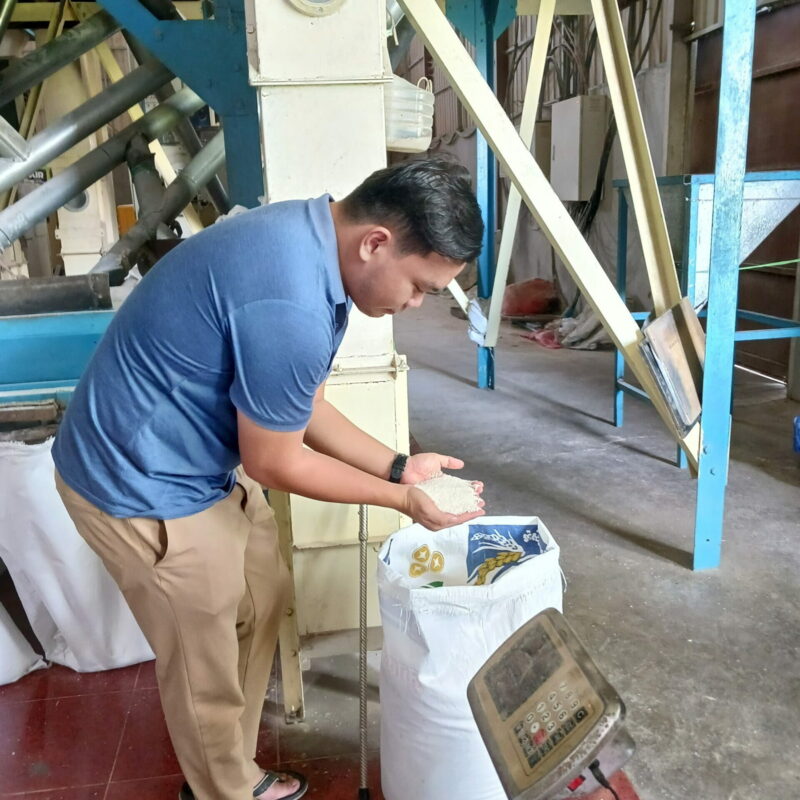
The Alliance launches an agri-food digitalisation project in Morocco, creating a model that will be upscaled to 12 more countries
“Our partnership with the Global Alliance has been a meaningful step toward smarter, more efficient port operations. Through our joint work at the Port of Jorf Lasfar (…) we have once again demonstrated how public-private cooperation can translate reform ambitions into tangible results (…).”

Tarik Maaouni, Director of Information Sytems and Digital Transformation, Agence Nationale des Ports (ANP), Morocco
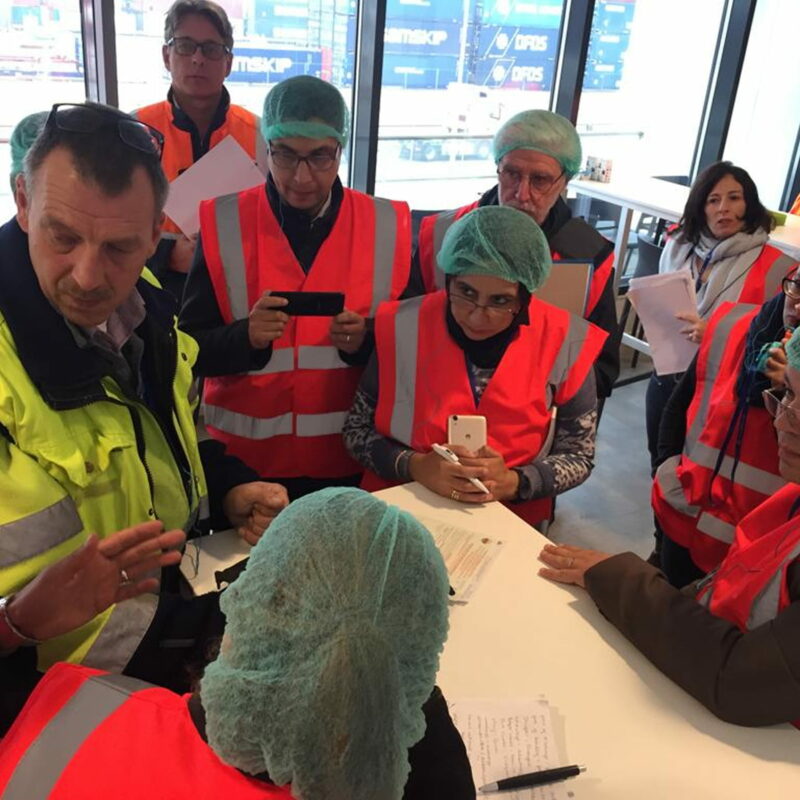
Our private sector network reaches the 25 business partners mark
“H&M Group values how the Alliance brings people together to solve real trade challenges, embedding business expertise from the start. By streamlining customs and cutting delays, it helps liberate cash flow for companies like us, support local traders, and create a win–win for countries and the private sector.”

Nesli Al Mufti, Head of Global Public Affairs, Trade and Customs,
H&M Group
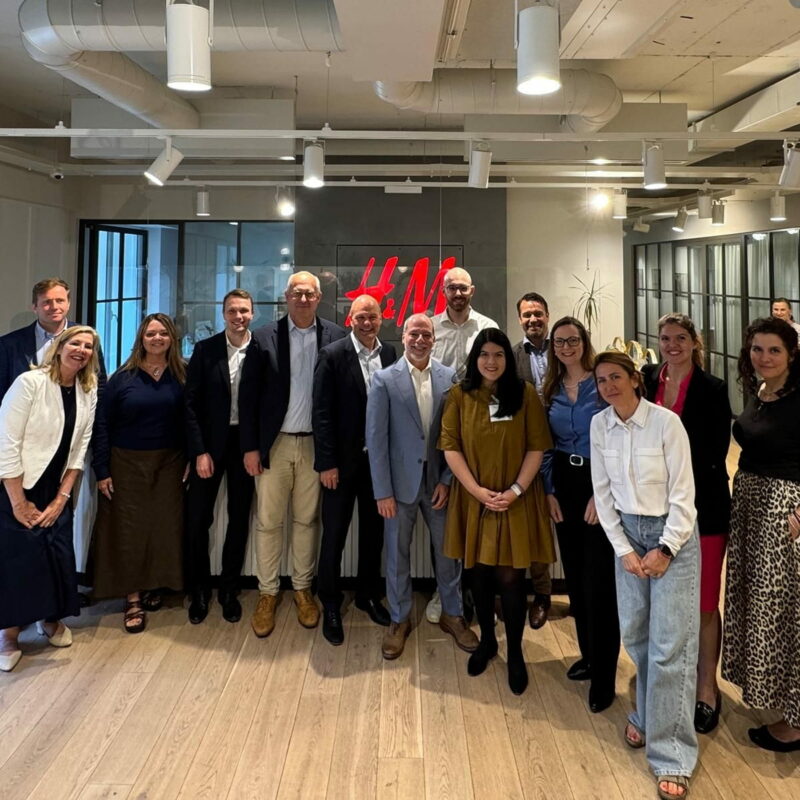
The Alliance publishes a knowledge paper on lessons learned in Private Sector Engagement
“Participating in the Alliance goes far beyond the typical business involvement in many other initiatives. It’s more than attending events, adding our logo to materials or giving money. Our experience so far has seen us lend our in-house experts in technical engineering, legal and brokerage directly to Alliance projects.”

Amgad Shehata, Senior Vice-President of Global Public Affairs and Strategic Development, UPS
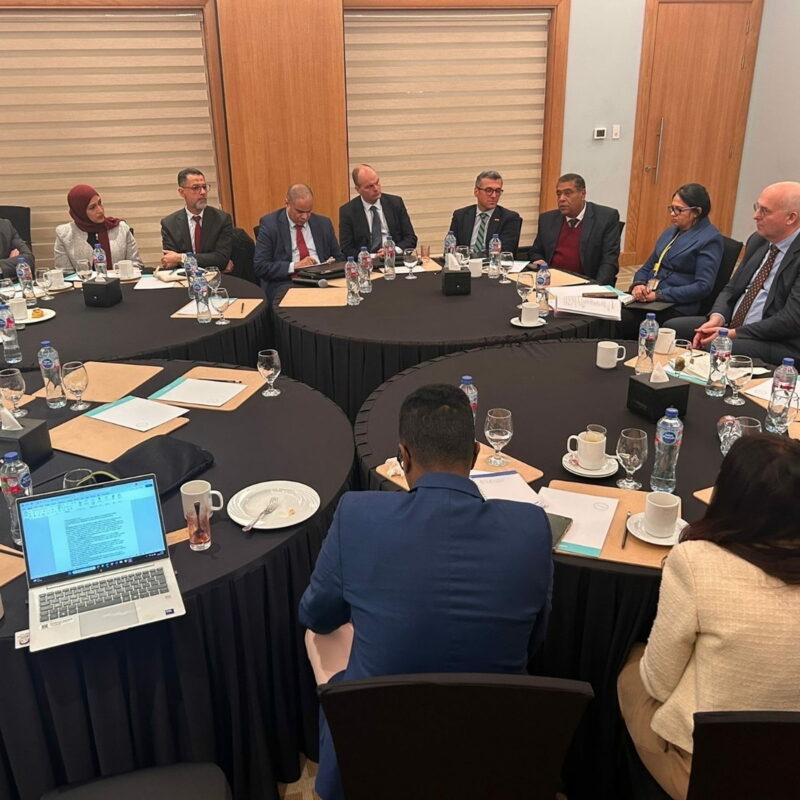
The Alliance launches its Gender and MSME mainstreaming guidelines
“The Alliance proves what can be achieved when diverse voices work across borders toward common goals. A decade on, the Alliance has made meaningful progress in breaking down barriers that can hold back trade, and Canada remains committed to ensuring these systems work for everyone.”

Ellen Dunbar, Deputy Director at the International Economic Relations Division, Government Affairs Canada
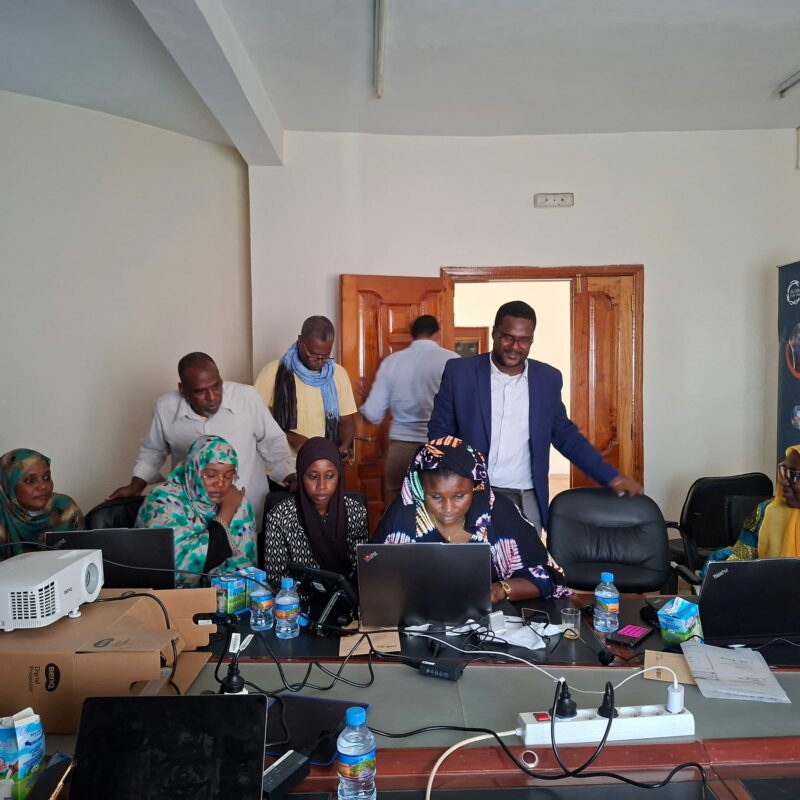
The Alliance pilots the Business Action Project approach in Mozambique
“Through its public–private dialogue and advocacy initiatives, the Global Alliance has significantly impacted trade facilitation. This partnership has enabled both sectors to address trade barriers with practical, real-time solutions. We appreciate the Alliance’s contributions and continued efforts to advance global trade.”

Stacy Dieve, Strategic Trade Manager, Global Tax and Customs, Cisco Systems
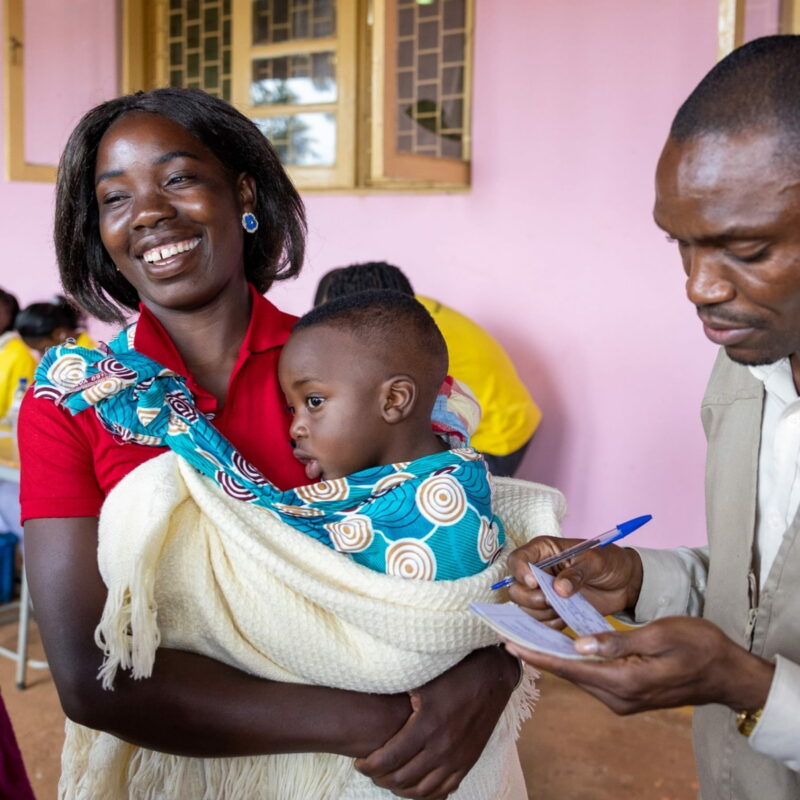
The Alliance launches a record number of projects, growing its global footprint to nearly 40 projects across 4 continents
“Madagascar’s engagement with the Alliance aims to accelerate structural reforms and strengthen the competitiveness of the private sector. Public–private cooperation is essential to remove trade barriers and attract investment. Together, these efforts help facilitate trade, stimulate economic growth, and ultimately reduce poverty.”

Saholy Nomenjanahary Ramiliarijaona, Director of Plant Protection IPPC Focal Point, Ministry of Agriculture and Livestock
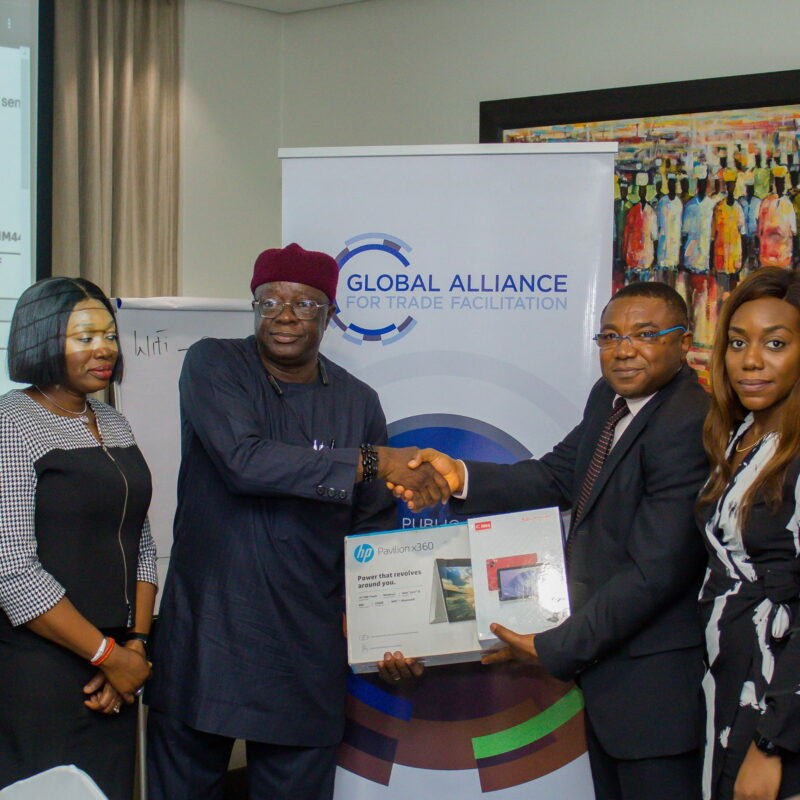
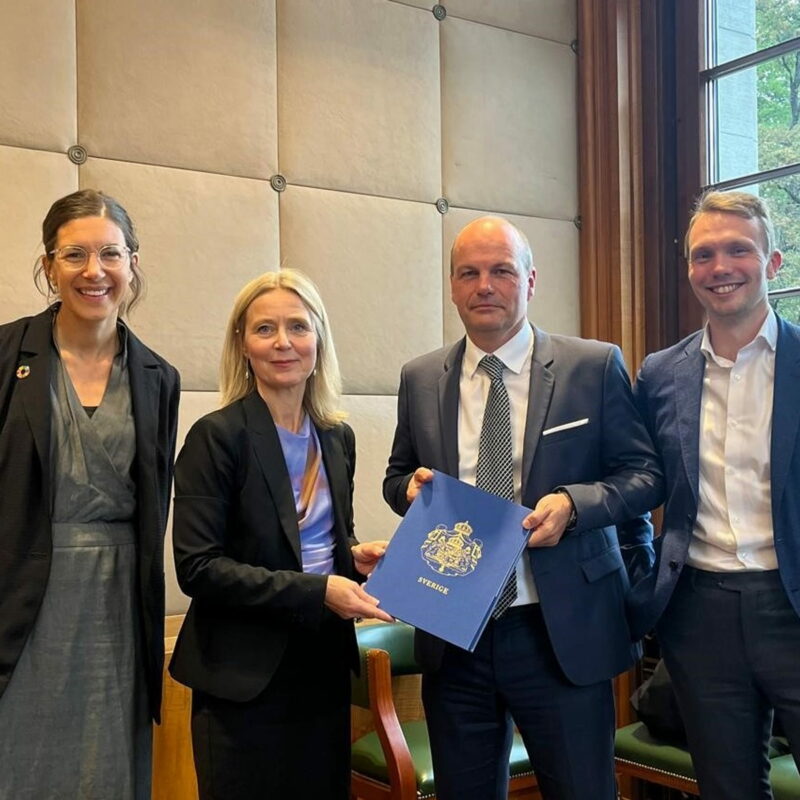
Sweden and the EU join the Alliance as new donors
“The Alliance is valuable to Sweden for its strong, collaborative private sector approach, bringing together public and private actors to support trade and development. It delivers concrete, measurable results that improve trade processes and create opportunities in developing countries.”

Annie Sturinge, Sida
The Alliance
turns 10!
Over the last decade, the Alliance has grown from a promising concept into a mature platform recognised for its practical methods, structured knowledge gathering, and ability to deliver and measure results. From day one, the Alliance has involved business at every stage of its work, from on-the ground project implementation to high-level advocacy for better cross-border trade.
Another key element of the Alliance’s evolution has been the refinement of its three pathways for project development: Co-creation, Business Action Projects (BAPs) and Upscaling.
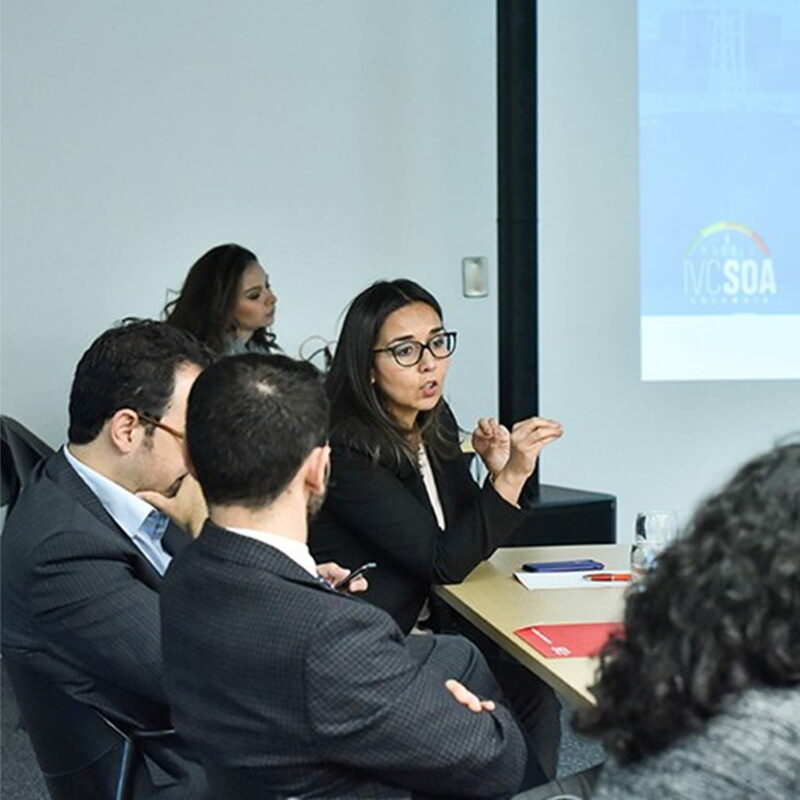
Co-creation enables government and business stakeholders to jointly identify trade bottlenecks and shape solutions grounded in operational realities.
See co-creation in action in our case study: Building Trust in Colombia’s Automotive Sector
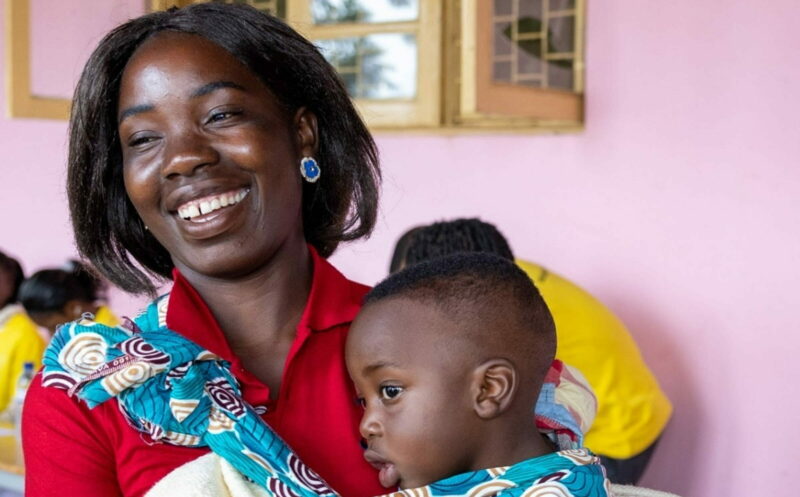
Business Action Projects (BAPs) introduced a more targeted, evidence-driven way for business communities to articulate the reforms they need, helping governments move quickly on priority issues
Discover BAPs in action in our case study: Improved Processes for Vaccine Distribution in Mozambique
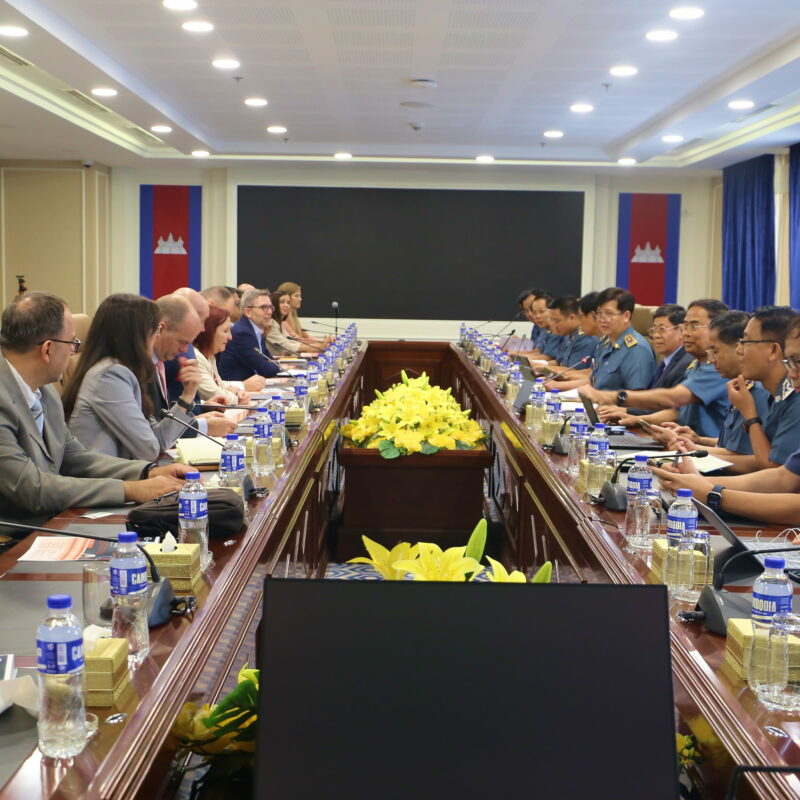
Upscaling enables successful solutions to expand across additional countries and regions. Together, these pathways form a coherent, scalable toolkit for systemic reform.
Learn more about Upscaling in our case study: Modernising Postal Clearance for International E-commerce in Cambodia and Scale and Replication Elsewhere
Over the past ten years, the Alliance has delivered reforms that make trade faster, more predictable, and more inclusive. While each project responds to a country’s specific needs, our work consistently centres on four practical areas that directly influence how goods move across borders – digitalisation, customs, border processes, and capacity-building.
Digitalising trade processes
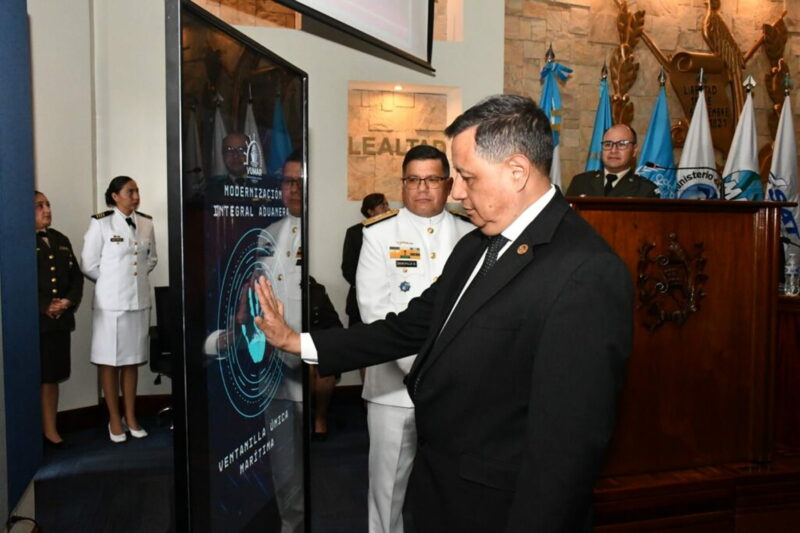
Modern trade depends on the rapid, accurate exchange of information. The Alliance helps governments transition these procedures to digital systems that reduce errors, shorten turnaround times, and give both traders and regulators greater visibility.
Improving customs systems
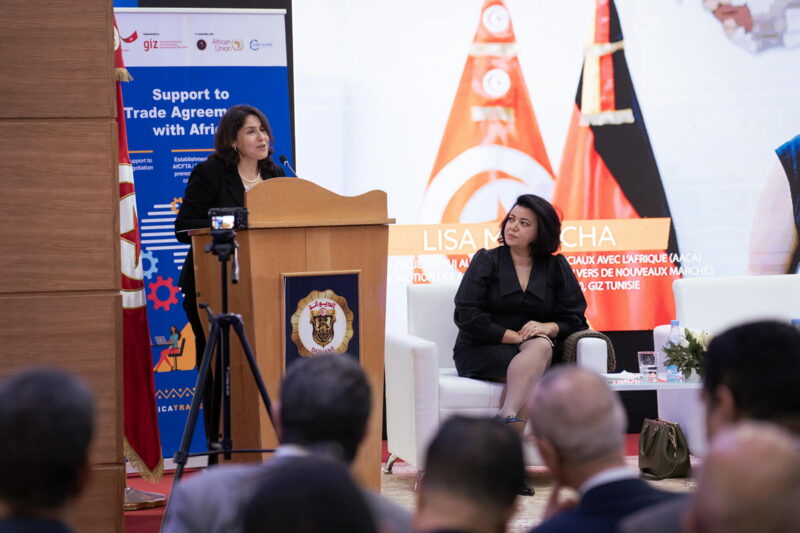
Customs administrations play a central role in enabling efficient trade. The Alliance strengthens customs functions by helping agencies modernise procedures and adopt tools that support consistent, transparent outcomes.
Optimising border operations
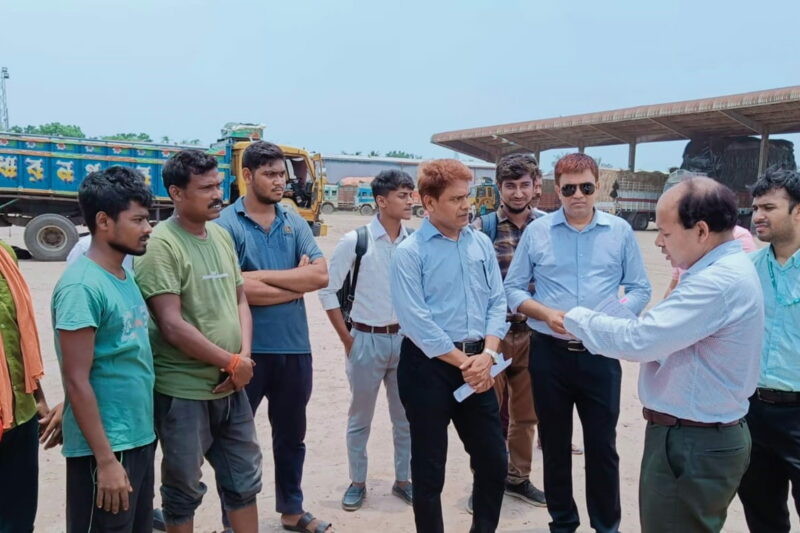
Even small inefficiencies at border posts or ports can compound into hours—or days—of delay. The Alliance works with border agencies and operators to streamline day-to-day processes, reduce unnecessary paperwork, and introduce operational improvements that make trade flow more smoothly.
Building local capacity
A reform is only as strong as the institutions responsible for implementing and sustaining it. Across its portfolio, the Alliance invests in strengthening the skills, procedures, and operational readiness of border agencies and the private sector.
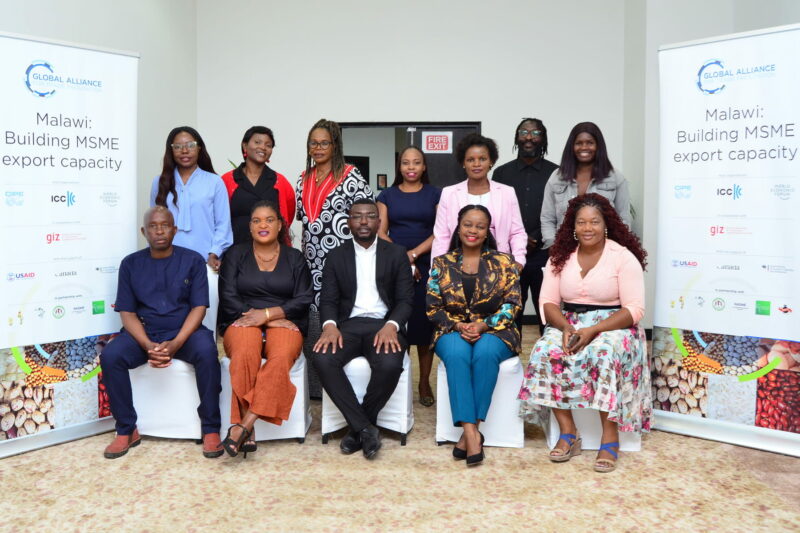
10 years of facilitating trade
Advancing Inclusive Trade
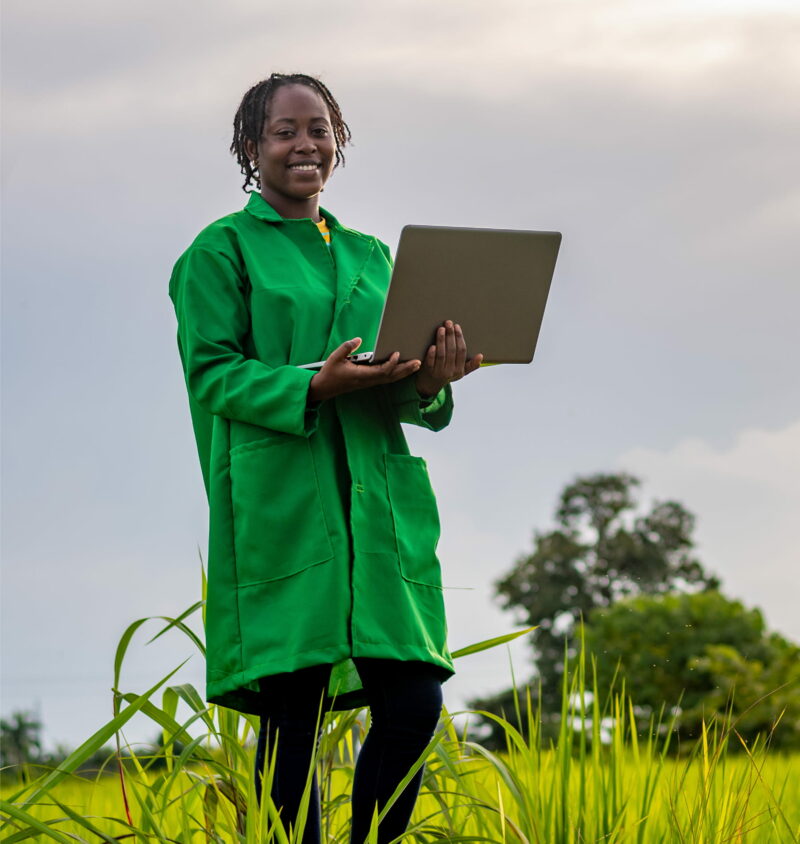
Women entrepreneurs and micro-, small- and medium-sized enterprises (MSMEs) are central to economic growth in developing countries, yet they continue to face the greatest barriers to participating in cross-border trade.
Across its portfolio, the Alliance prioritises reforms that level the playing field and make trade more accessible for women and small businesses. This commitment is enshrined in the Alliance’s MSME and Gender Mainstreaming Guidelines—two knowledge products that provide a roadmap for making trade facilitation reforms more inclusive, more responsive, and more impactful.

In a world shaped by cascading crises—climate change, pandemics, conflict, supply chain disruptions—countries need trade systems that are not only efficient but also resilient and prepared for shocks. The Alliance works with governments and businesses to strengthen the systems that keep trade flowing. These reforms do more than improve competitiveness: they directly support national priorities in public health, food security, disaster response, and sustainability.
Public Health
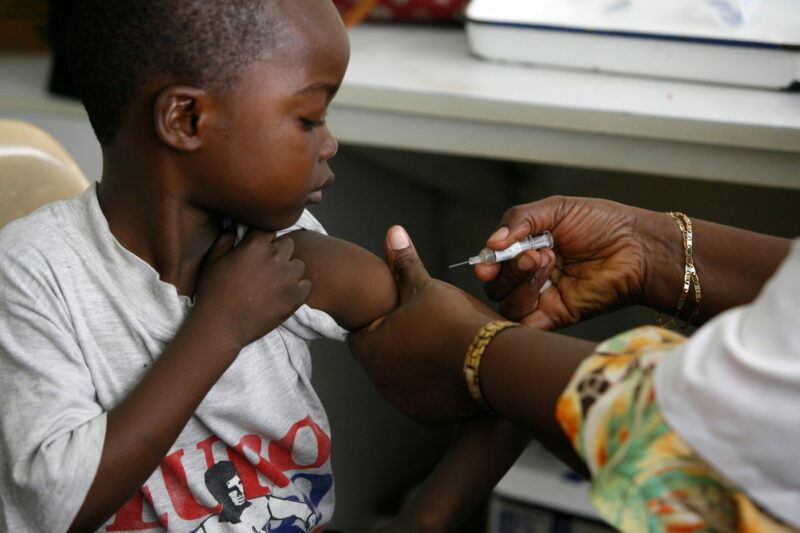
More than two billion people still lack access to essential medicines. The Alliance helps countries unblock border bottlenecks for critical products through digitalisation, smarter risk management, and better coordination between regulators, Customs, and health agencies.
Food Security
One in ten people worldwide experiences hunger, and nearly a third of the global population faces food insecurity. The Alliance helps governments modernise agri-food trade processes so perishable goods can cross borders quickly, safely, and predictably.
Climate Action
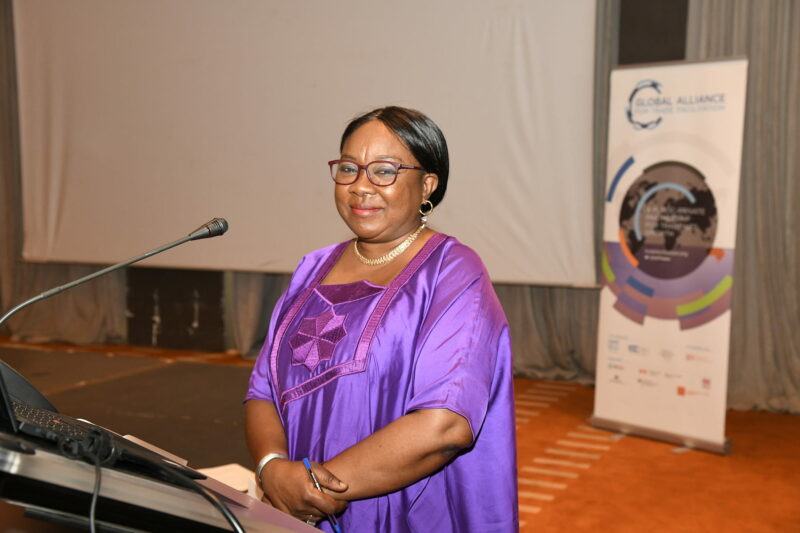
Transport and logistics account for nearly 30% of global CO₂ emissions. By digitalising procedures and reducing redundancies, the Alliance helps shrink the carbon footprint of global supply chains, showing that improving trade and cutting emissions can go hand in hand.
Disaster Preparedness
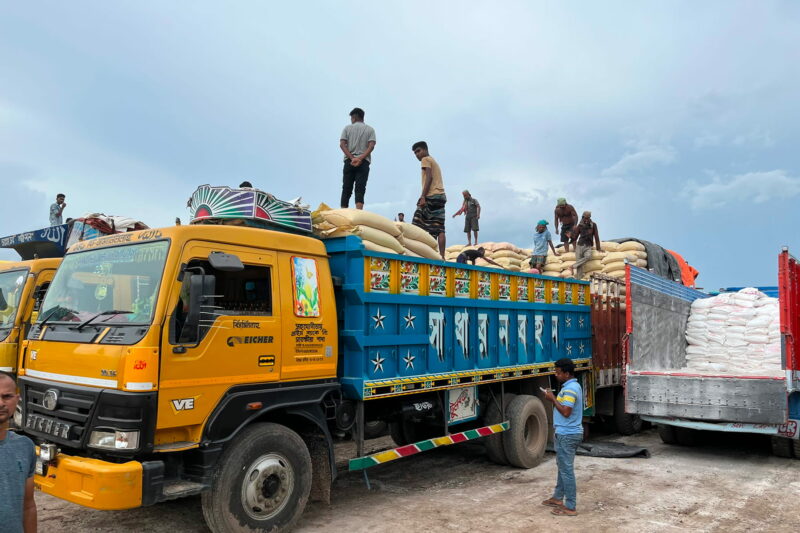
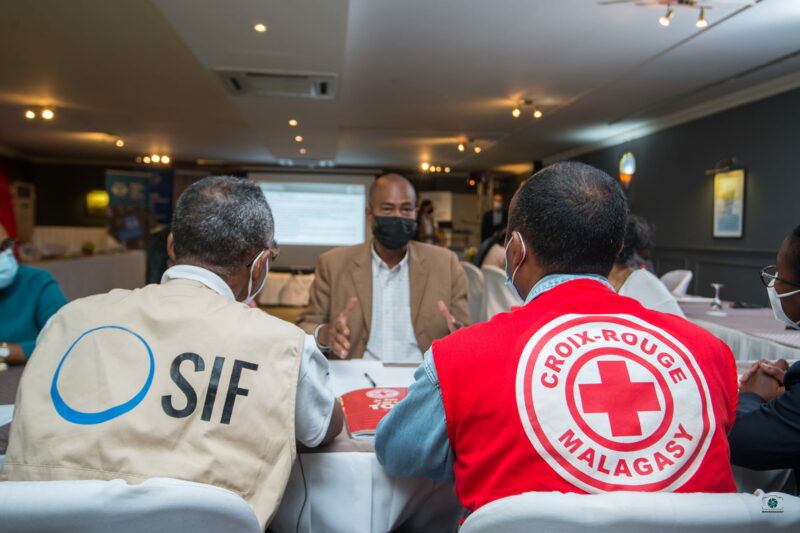
Countries need reliable, agile border procedures to move critical goods quickly especially when disasters strike. Trade facilitation reforms strengthen national resilience and keep borders functioning when systems are under stress.
2025 AT A GLANCE
Key Figures
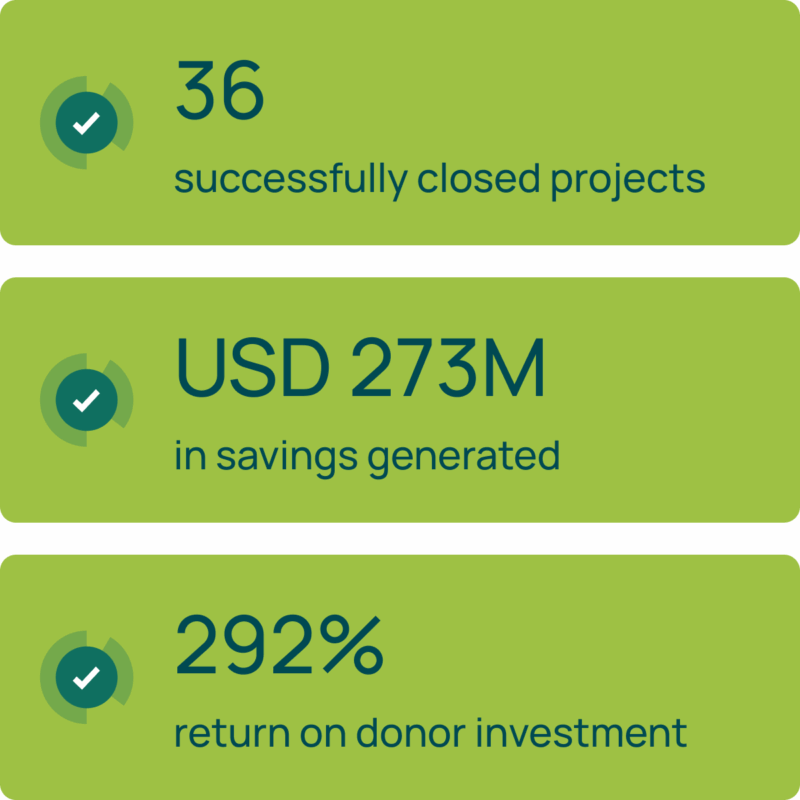
In 2025, we successfully completed a range of projects, including some initiatives that were suspended following a Stop Work Order from the U.S. Department of State.
40+ Project countries
11 Projects in implementation
36 Projects completed
USD 273M Total savings
Bosnia and Herzegovina
Colombia
Dominican Republic
El Salvador
In 2025, the Alliance significantly expanded its reach and impact through new donor partnerships, regional programmes and a growing humanitarian collaboration—strengthening supply chains, accelerating digitalisation, and advancing inclusive and sustainable trade in some of the world’s most challenging contexts.