Global Alliance Annual Report 2025
1. Letter from the director
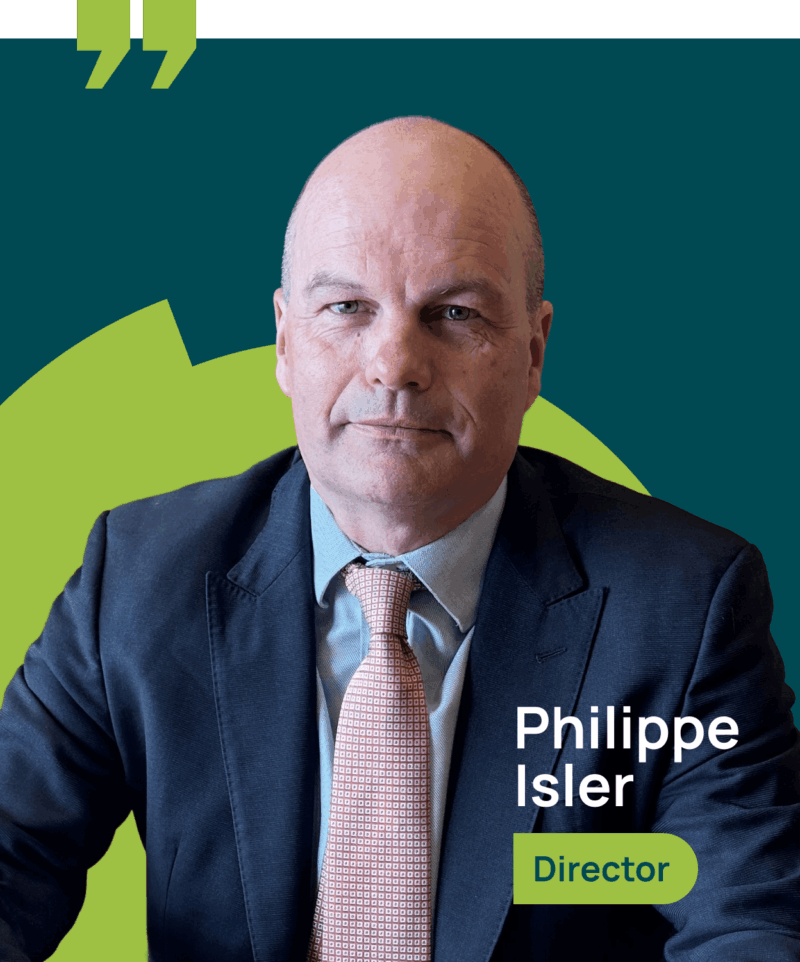
A decade of co-creation in action.
Reflecting on ten years of the Global Alliance for Trade Facilitation
As I reflect on our journey over the past 10 years, what stands out most is how closely our Alliance today reflects the founding vision that brought it to life.
Our mission was to bring a new approach to trade and development aid and to design a novel co-creation model between governments and the private sector.
By combining the innovation, speed and results-driven spirit of the private sector with governments’ efforts to modernise cross-border trade, we fundamentally changed how development assistance is designed and how trade reform happens.
The Alliance was built in the spirit of a start-up: backed by ambition and belief, yet facing considerable unknowns. While such a plurality of voices and resources inevitably poses challenges, the core purpose of the Alliance is to use dialogue as a tool for transformation and position the private sector at the centre of trade reform to ensure meaningful change. This approach prevailed from the outset and has remained a defining attribute over time.
Within seven years, we had generated enough added value and differentiation to attract new influential donors, such as the European Union and Sweden, not to mention valuable new business partners.
This position of influence is testament to our incredible team, partners and our collaborative model, which has remained resilient during a decade marked by extraordinary turbulence in global trade.
From the COVID-19 pandemic to the infamous Suez Canal bottlenecks and the war in Ukraine, all taking place in an environment of escalating climate change and geopolitical shifts, the global trade environment has been repeatedly tested.
Yet in spite of these shocks, the Alliance model has continued to demonstrate that trade is the engine of economic growth. Trade is fundamentally neutral; governments and trade flows may alter, but people and communities will always seek ways to thrive and prosper.
The fact that trade continues to be a universal lever for prosperity also means our approach to trade facilitation is pertinent and replicable across the world. The way we design solutions in Madagascar works just as well in Indonesia or in Jordan. Our unique bottom-up approach and ability to operate pragmatically from one continent to another and remain effective across diverse contexts has been key to our growing influence.
Countries recognise our impact, particularly those seeking to enhance competitiveness and champion trade reform. Ten years on, the Alliance is now viewed by governments not merely as a technical assistance provider but a trusted partner acting as an impartial counterpart sitting in-between government and business.
Countries that engage with us are rewarded through tangible results and often become ambassadors for our approach.
As with any ambitious partnership, there have been moments of friction along the way. The nature of the Alliance’s public–private sector model has required us to align diverse interests and bridge very different worlds. Finding common ground between parties has been one of our biggest challenges and, over time, has become one of our greatest strengths.
Our results speak for themselves. Across our projects, we are most proud of our ability to measure results and demonstrate tangible impact. Quantifying outcomes has shown that trade facilitation brings real returns. We have seen countries generate savings 40 times the amount invested. These figures make the benefits clear and understandable to everyone, but they also reflect something deeper: the presence of our private sector partners helps to keep progress alive, ensuring continuity and momentum even when political priorities shift.
Ten years on, the lesson is simple: when governments and the private sector work together with trust and purpose, trade becomes more than a tool, it becomes a shared pathway to prosperity.

2.1 Developing a model for success
Over the last decade, the Alliance has grown from a promising concept into a mature platform recognised for its practical methods, structured knowledge gathering, and ability to deliver and measure results.
The driving force behind this evolution has been the effectiveness of its public–private partnership model. From day one, the Alliance has involved business at every stage of its work, from on-the-ground project implementation to high-level engagement for better cross-border trade. This deep, continuous engagement underpins the Alliance’s impact and its continuing relevance. Another key element of the Alliance’s evolution has been the refinement of its three pathways for project development.
- Co-creation enables government and business stakeholders to jointly identify trade bottlenecks and shape solutions grounded in operational realities.
- Business Action Projects (BAPs) introduced a more targeted, evidence-driven way for business communities to articulate the reforms they need, helping governments move quickly on priority issues.
- The third pathway—Upscaling—enables successful solutions to expand across additional countries and regions. Together, these pathways form a coherent, scalable toolkit for systemic reform.
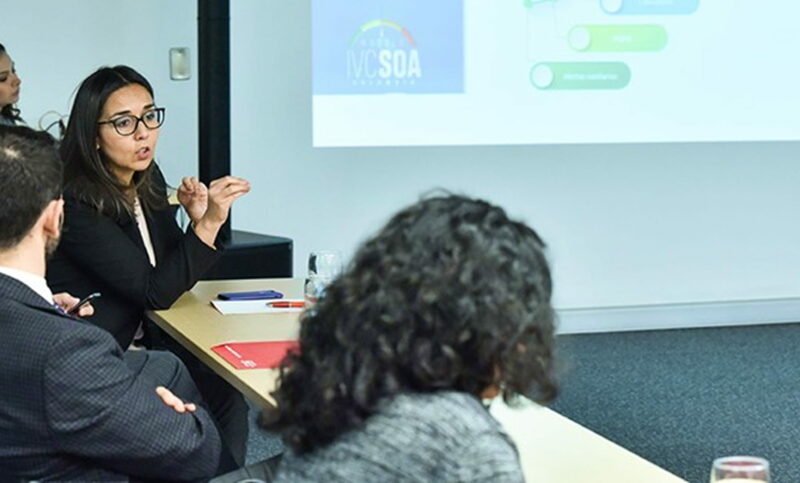
Co-creation: Delivering country-focused deep reform
Co-creation is the signature project creation model of the Alliance. Governments and businesses join with the Alliance to prioritise trade bottlenecks and align behind the idea of reform, in areas such as customs clearance, border risk management, single window design and improvement, traceability and classification, and access to markets.
Case study: Building trust in Colombia’s automotive sector
A historic lack of trust between Colombian customs authorities and the automotive industry had created a fraught relationship. Customs perceived low levels of private sector compliance, while industry cited unpredictable border procedures and a poorly functioning appeals system. Contested customs declarations could mean up to 12 days’ additional clearance time and storage costs.
The Alliance worked with the Colombian Customs and Tax Administration (DIAN) and the private sector to develop a Center of Excellence — a virtual hub concentrating specialised automotive industry knowledge within DIAN to provide consistency in how customs classify and treat components and processes advance rulings for the automotive industry.
The Center, the first of its kind in Latin America, required legislative change to modify the country’s customs’ structures. As part of these changes, a faster advance ruling system is now reducing clearance times for imports from 120 to 90 days. This has allowed border controls to concentrate on higher-risk shipments. The project has strengthened relations, too. By the end of the project, both public and private sector representatives reported a 67% increase in trust between customs and the automative sector.
“The work of the Alliance and the trust we have built with DIAN have been fundamental to the development of foreign trade in this sector, which generates 25,000 direct jobs and 100,000 indirect. The sector represents 6.6% of gross domestic product, with production, exports and imports crucial to the Colombian economy.”
Juliana Rico Ospina,
Executive Director Chamber of the Automotive Industry,
National Business Association (ANDI)
“The Global Alliance for Trade Facilitation has been a driver of public-private interaction and has been a key factor in strengthening trust between the different trade actors in Colombia. Through honest and open conversations, we hope to build trust further and make Colombiaˇs automotive industry as competitive as possible.”
Ingrid Diaz,
Customs Director,
Colombian Customs and Tax Administration (DIAN)

Business Action Projects (BAPs): Targeted intervention for business pinch points
Business Action Projects (BAPs) grew out of the Alliance’s mission to amplify the role of the private sector in trade facilitation. Under this pathway, our business partners alert us to particular ‘pinch points’ hindering trade.
We diagnose the underlying problem and act as an impartial catalyst to engage governments in formulating and delivering solutions.
These targeted, short-term projects do not require deep policy change to achieve success, allowing governments and companies to align behind them quickly.
Case study: Improved processes for vaccine distribution in Mozambique
Mozambique has made steady progress in reducing child mortality rates, yet common ailments still represent serious challenges to public health. A key barrier has been the lengthy import process for essential medicines and vaccines.
The Alliance worked with government agencies, local importers and Alliance global business partners Abbott Laboratories, Agility, DHL Deutsche Post and Agility to streamline the speed and efficiency of clearance procedures. The result was to reduce pre-shipment delays resulting from inefficient processing of regulatory approvals.
The challenge
Previously, imports of certain products into Mozambique, including pharmaceuticals, were subject to pre-shipment inspections. Routine vaccines took between two and four weeks to clear border controls, delaying distribution while incurring the additional cost of storing perishable products in a controlled environment. Importers had to navigate complex paper-based procedures involving several agencies and inconsistent classifications. Although vast quantities of goods were the same or very similar, every consignment would be treated individually.
The solution
The Alliance supported the government in digitalising and streamlining the import approval process. Replacing a duplicative, paper-based system helped drastically slash processing times drastically. Imports of vaccines and related medical products are now subject to lower direct and indirect costs relating to storage and inventory issues stemming from delays at the border.
The new system also improves product traceability, mitigating the risk of delays because of misplaced, incorrect, or damaged paperwork, enabling critical goods to reach vulnerable people, including children, more quickly and safely.
“The Alliance is doing some impressive work in the healthcare space, tackling trade facilitation challenges put forth by its partners and truly making an impact in the world.”
Susie Hoeger,
Senior Director,
Abbott
Upscaling: Scaling proven solutions
While co-creation and BAPs help initiate reforms, the Alliance’s upscaling model focuses on expanding solutions and replicating reforms that have already proven effective. When successful reforms in one country demonstrate clear benefits, other governments often approach us to achieve the same outcomes.
Morocco helped to pioneer this approach in the agri-food sector. After the country adopted electronic phytosanitary certificates (‘ePhytos’), the benefits to Morocco’s agricultural exporters were substantial. Seeing this success, more than 12 other countries have since requested the Alliance’s support to implement similar ePhyto systems.
Case study: Modernising postal clearance for international e-commerce in Cambodia, with a scalable, replicable model
Micro-, small- and medium-sized enterprises (MSMEs) make up 99% of Cambodia’s private sector and more than 70% of employment, yet these enterprises contribute just 10% of the country’s exports. Nevertheless, e-commerce and small-package trade is growing, putting pressure on Cambodia Post to modernise its services and provide MSMEs reliable and affordable access to international markets.
Concurrently, a surge in parcel volumes created challenges for Cambodia’s Customs (GDCE), which needed to ensure fast, secure clearance while safeguarding revenue, consumer safety and national security.
The Alliance worked with Cambodia Post, GDCE, and the business community to address key bottlenecks for MSMEs. Many MSMEs lacked access to clear, up-to-date information on export rules, procedures, and costs, as well as broader export-readiness skills needed to compete internationally. The project introduced a modernised, data-driven clearance process and strengthened MSME capacities, giving small businesses a more predictable pathway into global e-commerce.
The results speak for themselves: since the completion of the project, 98% of the 100+ participating MSMEs have reported increased confidence around exports, and 55% have gone on to actively export. Of the 121 MSMEs that took part in the Small Package Exporter Champions (SPEC) project, 70% of the businesses increased their customer base thanks to easier shipping practices.
This project is now being replicated in Bosnia and Herzegovina and North Macedonia, two Eastern European countries experiencing rapid e-commerce growth and increasing volumes of cross-border postal and express shipments.
Trader story: From family rice mill to international supplier
Sambath Taing’s family-run mill in Cambodia’s Battambang Province produces fragrant Jasmine rice, rated among the top varieties in the world. Over the past three decades, it has grown from a small mill serving the local community to a national supplier and now has ambitions to become an exporter.
The Alliance provided capacity-building, mentorship and peer learning to Mr. Taing, including a visit to another exporting rice mill, which provided insights on how to adhere to international standards. Mr Taing went from having little knowledge about exports to fully understanding the process, as well as learning about e-commerce strategies and logistics options.
After completing the necessary certification, Mr. Taing can now supply his rice to international markets, and he is using Cambodia Post to connect and send samples to international buyers.
“My business has grown by 15% since my participation in the project and I now have the confidence to execute my exporting and e-commerce strategy.”
Sambath Taing,
General Manager,
Taing Rice Mill
A flexible model
The three project pathways—co-creation, BAPs, and upscaling—reflect the Alliance’s commitment to partnership, flexibility and impact. The three approaches enable us to adapt to diverse political, economic, and institutional contexts while maintaining a strong focus on measurable results. Together, they form the backbone of the Alliance’s ability to mobilise public–private partnerships that deliver lasting improvements in global trade and create more efficient, accessible systems for businesses of all sizes.

2.2 What we do
Over the past ten years, the Alliance has delivered reforms that make trade faster, more predictable, and more inclusive.
While each project responds to a country’s specific needs, our work consistently centres on four interconnected areas of trade facilitation reform that directly influence how goods move across borders – digitalisation, customs, border processes, and capacity-building. The following examples highlight how these approaches translate into measurable improvements on the ground.
Digitalising trade processes
Modern trade depends on the rapid, accurate exchange of information. In many countries however, essential permits, certificates, and approvals still rely on paper forms, manual processing or repetitive and archaic procedures.
The Alliance helps governments transition these procedures to digital systems that reduce errors, shorten turnaround times, and give both traders and regulators greater visibility.
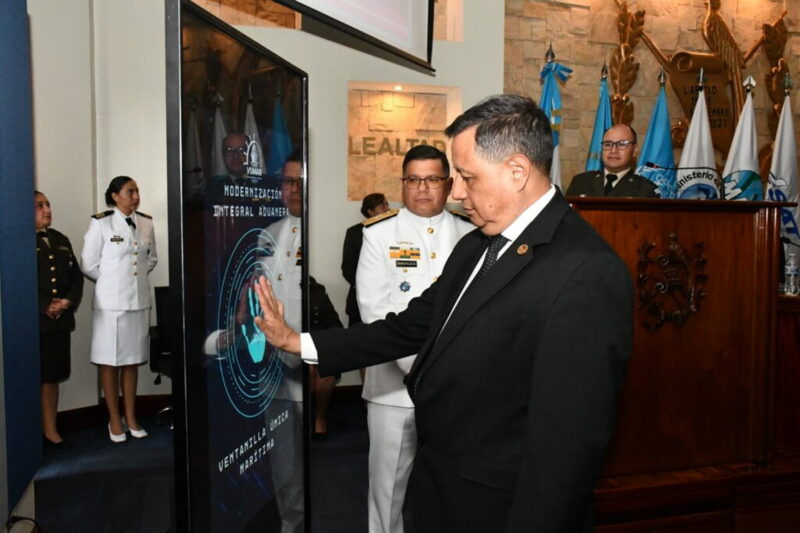
Case study: Speeding up port processes in Guatemala
Guatemala’s ports are vital to national prosperity, but manual, paper-based procedures have long constrained their efficiency. Before the Alliance’s project, shipping agents made repeated in-person visits to complete formalities, slowing operations, delaying clearance, and stalling shipments due to poor interagency coordination.
Because shipping depends on precise scheduling, these delays had cascading effects—missed berthing windows, idle ships and cranes, higher fuel use, increased costs for consumers, and unnecessary emissions. The Alliance worked with stakeholders from the public and private sector to:
- design new standard operating procedures (SOPs) for ports
- develop a comprehensive, interactive maritime single window.
In May 2023, Guatemalan port controls agencies signed a cooperation agreement to implement the new SOPs through VUMAR, a maritime single window, and committed to establishing a permanent public–private working group for sustained, continuous improvement.
The Alliance’s public–private partnership approach meant that procedures for vessel arrivals and departures were successfully automated, creating greater efficiency in line with international standards.
This resulted in a reduction in processing time of up to 90% at Guatemala’s ports, saving USD1,261 per shipment and saving USD4M annually in trade costs for business.
Improving customs systems
Customs administrations play a central role in enabling efficient trade. When systems for classification, risk assessment or advance rulings are inconsistent or manual, clearance times slow and compliance costs rise.
The Alliance strengthens customs functions by helping agencies modernise procedures and adopt tools that support consistent, transparent outcomes, especially in sectors such as automotive, manufacturing or pharmaceuticals, where delays can disrupt supply chains.
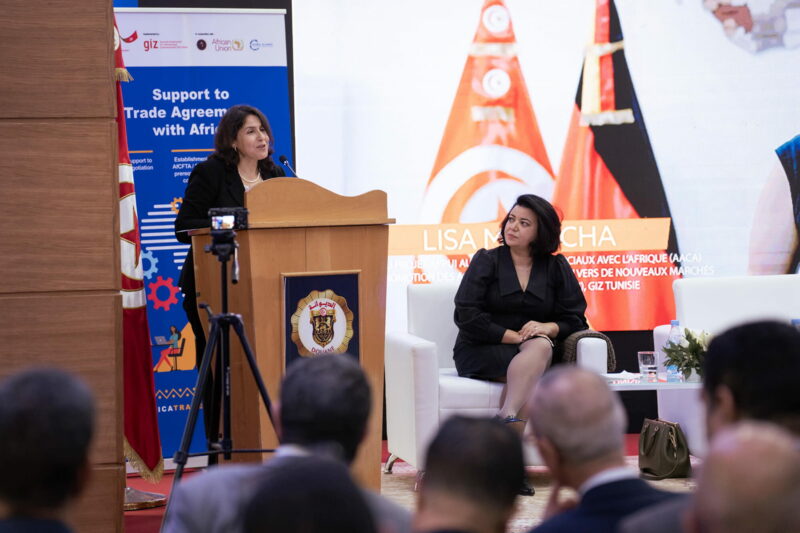
Case study: Change management to improve customs operations in Tunisia
In Tunisia, businesses were frustrated at a lack of uniformity when applying customs legislation and procedures. The Alliance supported Tunisian customs to develop the legal, procedural and organisational framework to operate advance rulings. The project focused on change management within customs to encourage businesses to use the framework.
Tunisian customs officials received intensive training from the World Customs Organization on classification and rules of origin, which created a critical mass of awareness and expertise. The Alliance also developed training and communications materials on the new procedures to build the business case around the benefits of adoption.
The introduction of advance rulings delivered measurable time and cost savings to businesses conducting cross-border trade and marked another step in implementing Tunisia’s TFA commitments.
The project has led to:
- faster processing of customs declarations;
- fewer disputes over tariff classification and determination of origins on goods;
- improved targeting of cargo due to advance information on imported goods;
- fewer penalties for operators; and
- a reduction in demurrage and warehouse storage fees.
Optimising border operations
Even small inefficiencies at border posts or ports can compound into hours—or days—of delay. The Alliance works with border agencies and operators to streamline day-to-day processes, reduce unnecessary paperwork delays, and introduce operational improvements that make trade flow more smoothly.
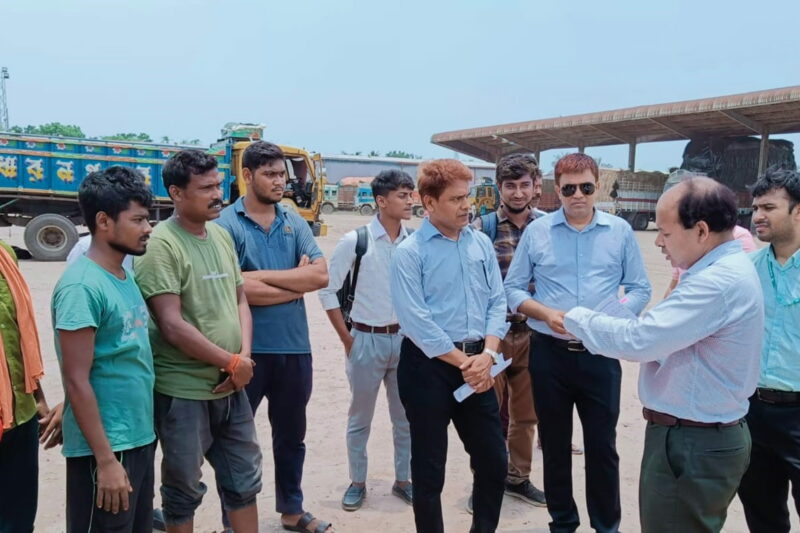
Case study: e-Port in Bangladesh reduces trade bottlenecks
The Bhomra Land Port is a vital gateway for Bangladesh’s trade with India, yet outdated manual procedures were creating significant trade bottlenecks. Traders experienced long queues, slow payment processing, and limited visibility on cargo movements.
The Alliance supported the introduction of an e-Port management system that reshaped how the land port operates.
- Online payments replaced in-person fee collection, reducing congestion and opportunities for error.
- Automated billing increased accuracy and cut processing time.
- Real-time tracking of consignments reduced the need for repeated physical checks.
- Training for officials and clearing agents ensured consistent and confident use of the new system.
As a result, the port has seen increased processing capacity, improved transparency and smoother day-to-day operations. Concretely, the project achieved a 67% reduction in processing time per import consignment and brought about significant savings for traders by reducing port-related costs by 40%. The system is now serving as a model for modernising Bangladesh’s other land ports.
Trader story: Positive gains from the e-Port at Bhomra Land Port
A.S.M. Maksud Khan, Member Secretary of the Bhomra Clearing and Forwarding Agents Association, is also an entrepreneur whose businesses trade local goods and support the national economy. Having experienced the frustrations of the former manual system at Bhomra Land Port, he now benefits daily from the new e-Port platform.
He employs 17 people and works largely with MSMEs, which he sees as central to economic development. Having held senior roles within the Association and witnessed its growth to a network of 600–700 members, Maksud views the e-Port digitalisation project as a pivotal moment, delivering immediate benefits for agents.
He credits the Alliance’s public–private partnership approach as key to the project’s success, particularly the dialogue and engagement led by the project team. He is optimistic about the port’s future as trade opportunities expand following the opening of the Padma Bridge.
“Carrying & Forwarding (C&F) agents are already benefiting from the Bhomra e-Port management system. With the new system, C&F agents can clear more consignments in less time.”A.S.M. Maksud Khan
Member Secretary
Bhomra C&F Agents Association
Building capacity for sustainable reform
A reform is only as strong as the institutions responsible for implementing and sustaining it. Across its portfolio, the Alliance invests in strengthening the skills, procedures, and operational readiness of border agencies and the private sector.
This includes training on new digital systems, developing standard operating procedures, improving data management, and reinforcing preparedness for disruptions.
These efforts help ensure that reforms endure beyond the duration of a project. They also empower agencies and businesses to adapt, expand, and refine new systems as trade volumes grow or environments evolve.
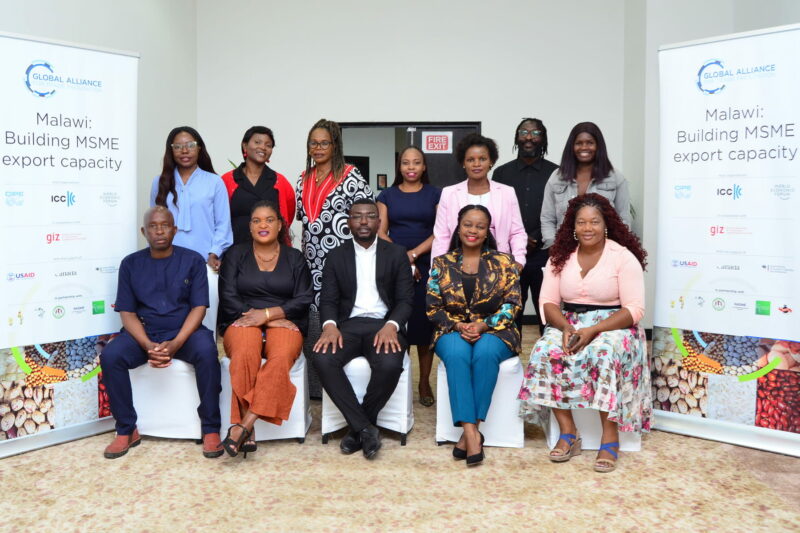
Case study: Professionalising an industry for smoother trade in Malawi
The challenge
Customs clearing agents are central to Malawi’s economy, linking traders and the Malawi Revenue Authority (MRA) and influencing trade efficiency and government revenue. Long-standing under-regulation led to errors, delays, higher costs and risks to revenue collection, consumer protection and public health, while women and small businesses faced barriers in an underregulated and opaque system.
What we did
The Alliance partnered with the government and private sector associations to modernise the licensing framework for customs clearing agents by:
- establishing Malawi’s first legally enforceable licensing regulations, aligned with the WTO Trade Facilitation Agreement;
- creating a public–private working group;
- rolling out a national training and certification programme for clearing agents with 233 agents trained (over 95% of the market), including increased participation of women;
- introducing standardised examinations, ethical requirements, and ongoing oversight mechanisms to raise professionalism across the sector; and
- leveraging regional experience and embedding sustainability into training materials.
Despite the suspension of external funding in early 2025, Malawian stakeholders continued the training programme using their own resources—an exceptional demonstration of local ownership.
The impact
The project delivered measurable improvements in trade efficiency, professionalism, and trust:
- Malawi adopted a new licensing framework in 2025, transforming customs brokerage into a recognised profession.
- A 16.2% reduction in customs processing times, a 43.2% reduction in declaration errors, and a 23.1% decrease in brokerage costs, saving traders an average of USD113 per declaration.
- Deeper collaboration between government and the private sector, strengthening confidence, compliance, and long-term reform.
2.3 Advancing inclusive trade
Women entrepreneurs and MSMEs are central to economic growth in developing countries, yet they continue to face the greatest barriers to participating in cross-border trade.
Complex procedures, unpredictable delays, and limited access to information disproportionately affect those with the fewest resources. Across its portfolio, the Alliance prioritises reforms that level the playing field and make trade more accessible for women and small businesses. By ensuring that small businesses and women traders are represented in our public–private dialogues and engaging them in project activities from scoping through implementation, the Alliance ensures that its projects address the real-world challenges facing small and women-led businesses.
This commitment is enshrined in the Alliance’s MSME and Gender Mainstreaming Guidelines—two knowledge products that provide a roadmap for making trade facilitation reforms more inclusive, more responsive, and more impactful.
The stories of Koffitse Kpogli in Togo and Elizabeth Nwankwo in Nigeria demonstrate what inclusive trade reforms can achieve.
Trader story: Koffitse Kpogli, smallholder, Togo
Koffitse Kpogli was always keen to grow his business and support rural farmers. What began with organic soybean production grew into two complementary companies exporting soybeans, fresh fruit and value-added dried pineapple products to Europe and the United States.
Yet manual phytosanitary certification created costly delays, especially for perishable products sourced from smallholder farmers. Each certificate required multiple trips to offices, unpredictable processing times, and administrative burdens that slowed exports and limited growth.
Through an Alliance project in partnership with the Islamic Centre for Development of Trade, Togo adopted the International Plant Protection Convention (IPPC) ePhyto Solution, modernising how phytosanitary certificates are processed and exchanged.
“Previously, we had to spend a lot of time on paperwork and travel. We now handle everything from our office, from document submission to payment, to document receipt, which we can send to the customer.”
Koffitse Kpogli,
Founder,
SAM & Bio Farm Trading
Trader story: Elizabeth Nwankwo, exporter, Nigeria
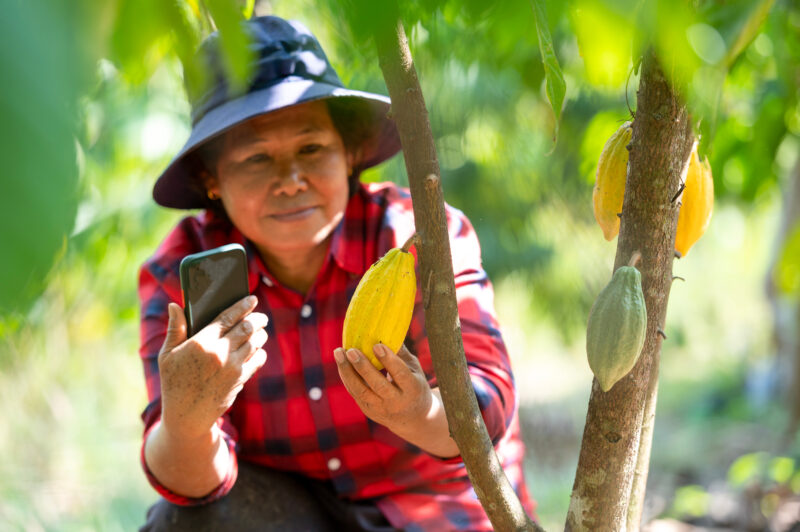
Elizabeth Olanrewaju Nwankwo leads a women-powered agribusiness that supports 300 women farmers and thousands of dependents. Her company exports cocoa, cashew, ginger, cassava, and shea butter— all products that require strict quality control and timely certification.
As a woman in a male-dominated sector, Elizabeth has faced persistent gender barriers, from negotiating with male farmers to overcoming perceptions about women’s leadership. Procedural challenges made exporting even harder.
After attending an Alliance-supported training, Nwankwo proactively adopted the ePhyto Solution, in a move that transformed her operations. She describes it as a ‘gamechanger’ for her company, drastically reducing processing, while also enabling better scheduling to allow raw products to reach markets more quickly and cost-effectively.
“ePhytos reduce turnaround times and encourage farmers to become more export-oriented because the solution improves traceability. It is a solution that is long overdue – the positive response towards it has gladdened my heart.”
Elizabeth Nwankwo,
Founder & CEO,
Oklan Best Ltd
Making trade work for more people
The impact of the Alliance’s work is visible not only in faster systems or improved procedures, but also in the lived experiences of women and small businesses whose opportunities expand as borders become more predictable and accessible. The Alliance’s work in Togo and Nigeria shows that inclusivity is not an add-on, it is integral to effective trade reform. When women, small traders and MSMEs have a voice in shaping how borders operate, the result is a more equitable and efficient trading system.
2.4 Addressing global challenges
How trade facilitation helps tackle today’s global challenges.
In a world shaped by cascading crises—climate change, pandemics, conflict and supply chain disruptions—countries need trade systems that are not only efficient but also resilient and prepared for shocks. The Alliance works with governments and businesses to strengthen the systems that keep trade flowing. These reforms do more than improve competitiveness: they directly support national priorities in public health, food security, disaster response, and sustainability.
Public health
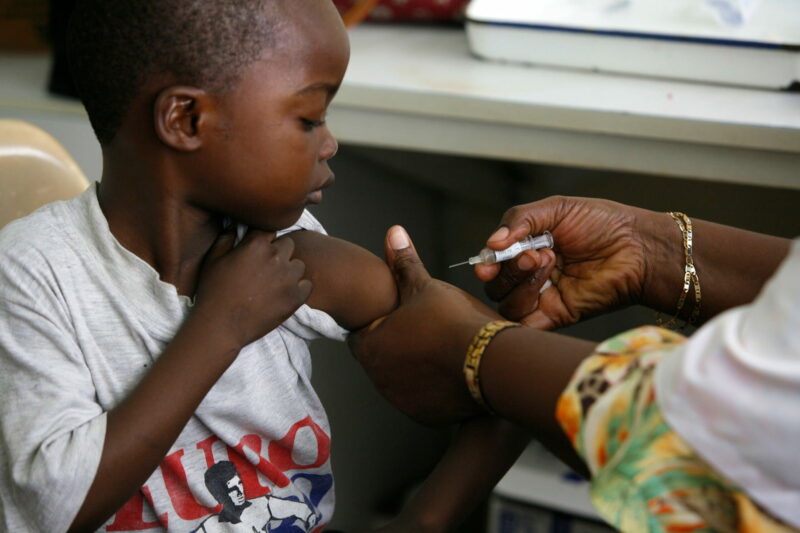
More than two billion people still lack access to essential medicines. Border delays, including slow inspections, inconsistent classifications or paper-based approvals can worsen shortages and hinder emergency response. The Alliance helps countries unblock border bottlenecks through digitalisation, smarter risk management, and better coordination between regulators, customs, and health agencies.
How our work makes a difference:
- Faster access: Digitalising paper-based procedures contributes to quicker distribution of medical supplies to vulnerable populations.
- Lower costs: Fewer delays at borders reduces storage fees and other overheads for importers, including aid organisations.
- Consumer safety: Modern risk management allows authorities to concentrate their physical inspections on higher-risk shipments to better combat fraud.
Example: Reducing approval times for vaccines in Mozambique
In Mozambique, an Alliance–UNICEF partnership reduced pre-shipment approval times for lifesaving supplies by 25%, improving traceability and ensuring timely arrival of critical goods nationwide. Similar reforms in Nepal and Madagascar are strengthening medical supply chains and regulatory oversight.
Food security
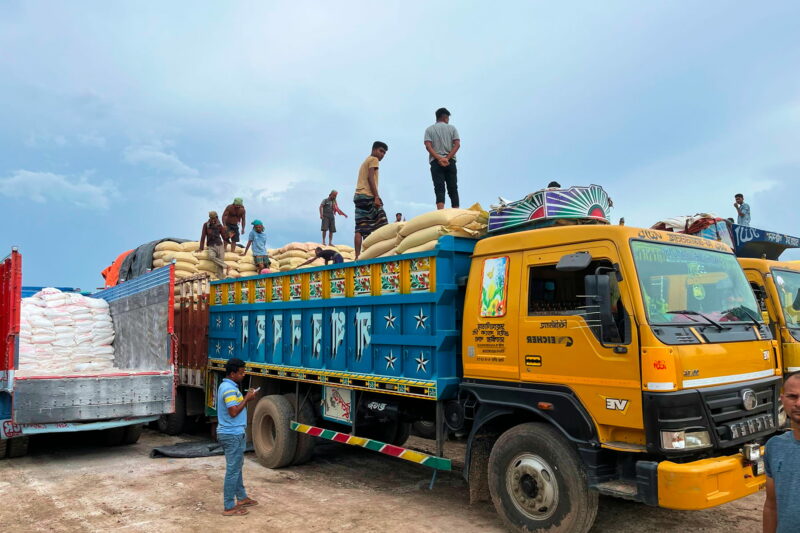
One in ten people worldwide experiences hunger, and nearly a third of the global population faces food insecurity. Trade barriers—whether delays, outdated procedures, or non-transparent requirements—directly affect food availability, affordability, and safety. The Alliance helps governments modernise agri-food trade processes so perishable goods can cross borders quickly, safely, and predictably.
How our work makes a difference:
- Reduces spoilage: Digitalising paper-based procedures helps eliminate unnecessary delays, allowing fresh food to transit faster.
- Boosts production: Fewer holdups on imported inputs such as fertilisers stimulate agricultural production.
- Strengthens safety systems: Seamless systems provide predictability for agri-food traders, improving confidence in cross-border transactions.
Example: Streamlining agricultural trade flows in Senegal
In Senegal, two complementary Alliance projects streamlined agricultural import and export procedures and introduced electronic phytosanitary certification. Farmers reported fewer missed planting seasons and lower risk of spoilage, helping to strengthen national food security.
Climate action
Transport and logistics account for nearly 30% of global CO₂ emissions, driven in part by inefficient, paper-heavy and duplicative trade systems. For every hour that trucks idle at borders, or for each additional trip to deliver paperwork, emissions increase.
By digitalising procedures and reducing redundancies, the Alliance helps shrink the carbon footprint of global supply chains, showing that improving trade and cutting emissions can go hand in hand.
How our work makes a difference:
- Less paper, less waste: Simplified, digitalised processes reduce the environmental impact of paper-based procedures and allow for more efficient movement of goods when systems face disruptions.
- Reduced transport emissions: Trade facilitation eliminates redundancies, cuts delays, and helps reduce emissions linked to transportation, ensuring goods move faster and with lower environmental impact.
- More integrated systems: Improved collaboration between border agencies, logistics providers, and businesses ensures that trade flows smoothly, minimising emissions and contributing to more sustainable global trade practices.
Example: ePhyto certificates speed up processes and save emissions
Digital phytosanitary certificates exchanged through the IPPC ePhyto Hub are far cleaner and faster than paper. Between January 2018 and December 2024, nearly 7.7 million ePhyto certificates were exchanged through the Hub. This resulted in estimated carbon emissions savings of approximately 63,300 tonnes of CO₂ equivalent – roughly equal to the absorptive capacity of more than 2.9 million trees.
The findings underscore how digitalisation of trade procedures supports not only efficiency and transparency, but also sustainability. With ePhytos representing 5% of certificates worldwide, the opportunity for further impact is enormous.
Disaster preparedness
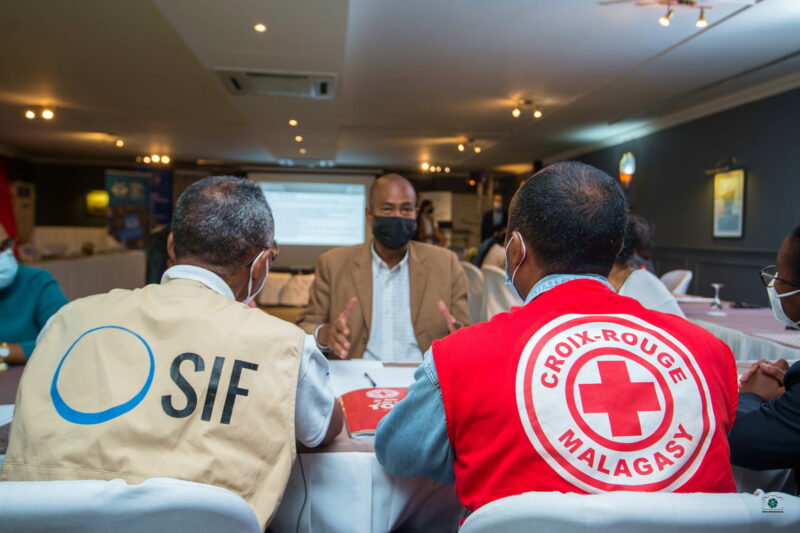
When disasters strike, every minute counts. Whether responding to cyclones, earthquakes, pandemics, or supply chain breakdowns, countries need reliable, agile border procedures to move critical goods quickly. Trade facilitation reforms strengthen national resilience by establishing clear emergency protocols, digital tools, and coordinated procedures that keep borders functioning when systems are under stress.
How our work makes a difference:
- Continuous access: Simplified processes and emergency protocols keep goods flowing even during system disruptions.
- Faster response: Digitalising procedures cuts red tape, allowing emergency supplies to clear borders faster.
- Better coordination: Stronger collaboration between customs, emergency response agencies, aid organisations and the private sector improves response times and efficiency..
Example: Building resilience in Madagascar
In Madagascar, an Alliance project with Columbia University’s National Centre for Disaster Preparedness (NCDP) and the World Customs Organization (WCO) stress-tested emergency customs procedures. When Cyclone Batsirai hit weeks later, these reforms helped accelerate humanitarian clearance, turning preparedness into real-world impact.
2.5 Measurement
Metrics and Benchmarking: Turning results into impact
As the Alliance marks its 10th anniversary, the Metrics and Benchmarking (M&B) workstream stands as one of its core functions that translates reform into measurable, credible impact.
Since its creation, the Alliance has built a reputation for quantifiable results: cutting trade costs, accelerating clearance times and helping businesses thrive in over 30 countries. The M&B workstream has been central to this success, pioneering a practical framework grounded in business practices and logistics for measuring trade facilitation impacts.
At the heart of its work, M&B brings the private sector perspective into focus – showing how businesses experience the tangible benefits of trade facilitation. Using tools such as the Alliance’s Total Transport and Logistics Cost (TTLC) framework, Business Process Analysis, and targeted private sector surveys, the workstream demonstrates how reforms translate into real-world time and cost savings.
More than measurement, M&B defines the Alliance’s evidence culture — informing reform design, building donor and government trust and amplifying private sector engagement. It ensures every project contributes not only to faster, simpler, and more predictable trade, but to a growing global body of knowledge on how trade facilitation fosters a more competitive trade environment and drives growth.
Looking forward, the M&B continues to innovate – standardising methodologies across projects where relevant, automating data collection, and expanding measurement to environmental gains such as carbon emission reductions. By evidencing the value of trade facilitation, M&B exemplifies the Alliance’s mission: making trade efficiency measurable, scalable, and sustainable for the decade ahead.
Monitoring & Evaluation: The signal that keeps the Alliance moving forward
Monitoring and Evaluation (M&E) functions as the Alliance’s guidance system, the steady signal that keeps projects aligned, informed and moving toward meaningful results.
M&E blends quantitative tracking with on-the-ground qualitative perspectives and works with teams to define what success should look like in each context, while ensuring that projects remain responsive, inclusive, and grounded in reality. M&E is involved in the entire project implementation process, providing precise data, timely insights and practical recommendations.
M&E is also a thought partner. This workstream informs design choices, guides adaptations, and connects lessons learned across countries, making the Alliance smarter with every project. Thanks to tools, surveys and a learning culture, M&E turns experience into evidence, and evidence into better decision-making.
As the Alliance enters its next decade, M&E will continue to support evaluations, enhance monitoring systems and build capacity across teams, to ensure that every project benefits from the knowledge, experience and wisdom generated by those before it.
Case study: Using data to understand the real cost of trade in El Salvador
The challenge
El Salvador’s National Trade Facilitation Strategy (NTFS) aims to establish the country as the regional leader in logistics and international trade procedures by 2027. This required an assessment of the country’s trade competitiveness to measure the impact of trade facilitation reforms on trade performance.
What we did
The Alliance conducted a Total Transport and Logistics Costs (TTLC) study for the textile and apparel industry. The project provided technical assistance to the Ministry of Economy, while building its capacity to implement the methodology independently.
The study analysed the country’s trading systems and the time and cost of imports, exports and transit operations as well as identifying supply chain blockages and priorities for future reform. The Alliance will maintain an advisory role to ensure the TTLC continues to be deployed in line with quality standards.
The impact
This Alliance project helped to deliver sustainable reforms that reduced time and costs in cross-border trade, while building capacity to roll out future and current trade facilitation reforms.
For El Salvador, implementing the TTLC ensures accurate NTFS monitoring, strengthens foreign investor confidence and positions El Salvador as a global model of good practice.
Total Transport and Logistics Costs: A unique approach to measuring trade performance
The Total Trade and Logistics Cost (TTLC) methodology, a bespoke impact assessment tool developed for the Alliance by A.P. Møller – Mærsk A/S, measures the direct and indirect costs of trading across borders and assesses the potential returns of trade facilitation interventions.
Examining supply chains differently: The TTLC provides a comprehensive analysis of the supply chain in terms of time and cost. It has an emphasis on quantifying time variability and indirect costs and fills gaps not addressed by existing methodologies.
Identifying bottlenecks: By estimating the time and costs involved at each step of the import and export supply chain, the TTLC serves as a baseline tool for identifying bottlenecks. By using the same data, the TTLC can help to assess the potential return-on-investment of trade facilitation reforms.
Tracking progress over time: The TTLC can be used both before and after the implementation of trade facilitation initiatives. It allows for ex ante analysis to estimate the potential impact of reforms and ex post analysis to assess the actual impact on total costs of transport and logistics.
Engaging the private sector: As one of the key beneficiaries of trade facilitation reforms, the private sector holds valuable information on the performance of supply chains. Collecting data from business is an important feature of the TTLC methodology, allowing the user to gain insights on how the private sector experiences the international trade environment.
3. New initiatives in 2025
In 2025, the Alliance significantly expanded its reach and impact through new donor partnerships, regional programmes and a growing humanitarian collaboration—strengthening supply chains, accelerating digitalisation and advancing inclusive and sustainable trade in some of the world’s most challenging contexts.
A major milestone this year was the European Union joining the Alliance as a donor, alongside renewed support from Germany. This partnership reinforces a shared commitment to modernising cross-border trade processes, improving transparency, and unlocking opportunities for MSMEs, particularly in least developed countries. The collaboration also supports the objectives of the EU’s Global Gateway strategy, which is mobilising investments in digital, climate, energy, health, transport and education.
The Alliance also deepened its partnership with the Swedish International Development Cooperation Agency (Sida), launching three new regional windows across Eastern Europe, Africa, and the Middle East–North Africa. In Eastern Europe, the Alliance is supporting closer alignment with EU standards, starting in Moldova, Armenia and Ukraine with reforms focused on border agency cooperation, agri-food trade, and interagency coordination. In Africa, work is underway to digitalise the exchange of phytosanitary certificates to lower compliance costs, improve certificates to lower compliance costs, improve traceability and reduce administrative delays. In MENA, starting with Morocco, the Alliance is helping governments advance TFA implementation, with a priority on digitalisation, regulatory reform and coordinated border management.
Together, these regional windows combine Sida’s commitment to inclusive development with the Alliance’s proven public–private partnership model and promoting regional integration, food security, and improved market access.
In the MENA region, the Alliance is translating Sweden’s priorities into real action and engaging our network at every level, from embassies and development partners to the private sector — embedding them directly into project design and delivery. This holistic approach will help unlock tangible trade benefits for businesses and support inclusive economic growth across the region.
Rebecca Ygberg Amayra,
First Secretary, Regional Programme Manager, Trade and Economic Development,
Embassy of Sweden in Jordan
2025 also marked a step change in our humanitarian impact through the Alliance’s growing partnership with UNICEF, known as ADEPT (Accelerating Delivery of Essential Products Together). Building on a successful pilot in Mozambique, the collaboration demonstrates how smarter trade facilitation can deliver life-saving results. The model is being scaled to 10 additional countries, with work underway in Madagascar and Nepal where our projects are reducing pre-shipment processing times for humanitarian health products.
Across all new initiatives launched in 2025, there is a common thread: practical, business-informed reforms delivered through strong partnerships. From new donor engagement to regional platforms and humanitarian supply chains, the Alliance continued to scale solutions that help governments modernise trade systems, generate benefits for businesses, and ensure trade works better for people everywhere.
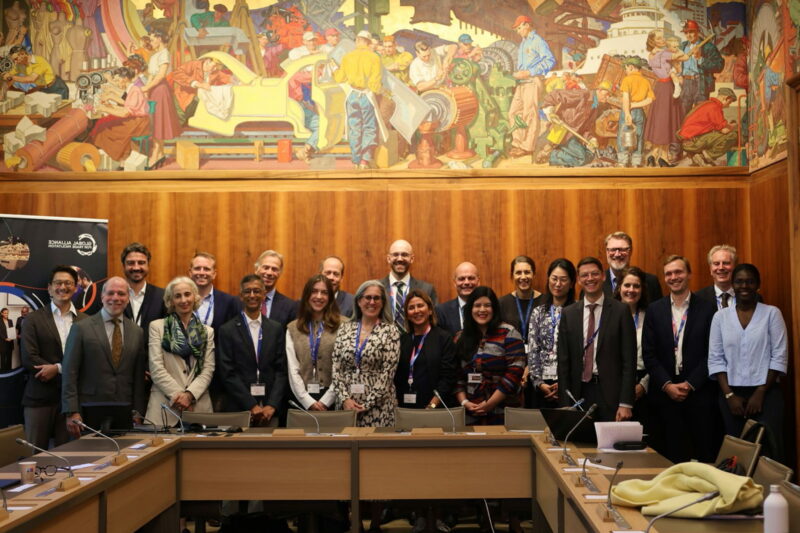
4.1 Adapting to a changing landscape
The signature public–private partnership model of the Alliance has proved its success and impact over the past decade.
In the coming years we will continue to refine and strengthen this approach to sustain our impact, and to ensure trade and prosperity can flourish, even in an increasingly complex and changing global landscape. Below we share insights from our private sector workstream, reflections from our newest public sector partner, the European Union, and a forward-looking perspective from our Director.
4.2 Private sector engagement: A decade of concrete action
The Alliance’s mission is to integrate private sector expertise into trade reform in ways that deliver concrete development impact and are practical for business.
Our public–private partnership model is designed to make trade work better for the countries in which companies operate by aligning business realities with national reform priorities.
At the core of this model is flexibility.
The Alliance enables the private sector to engage with us in three complementary pathways: companies may serve as global ambassadors, using their connections with governments and international organisations to advocate for trade facilitation. They may invest in technical work, connecting their in-country teams with Alliance projects and taking part in trainings and consultations; or they may wish to focus on governance, participating in steering group decisions and project approvals. This lets companies engage in ways that fit their strengths and capacity.
The Alliance meets the evolving needs of our business partners.
Companies flag operational challenges, supply chain issues or non-tariff barriers that they face in the countries where they source or trade, or the need for innovative solutions that could help reduce the time and cost of doing business in their host country. Here, the public–private partnership model enables the Alliance to play a matchmaking role, finding projects that address these business challenges while delivering development impact for the host country. These projects could be in the areas of certification (e.g., certificates of origin, certificates of conformity or phytos), customs entry challenges or implementing systems-based solutions.
The Alliance’s private sector engagement model allows companies to prioritise and organise.
In 2025 the Alliance introduced industry-specific subgroups for food and beverage, textiles and retail, and technology-driven industries. These groups are led by the private sector partners and allow for focused conversations on topics such as interoperability, circularity and digitalisation. Plans include expanding these groups to other sectors based on partner needs.
The enduring appeal of the Alliance model is that it delivers concrete results.
Partners remark that, unlike many other business forums, the Alliance connects them directly with project representatives to discuss their challenges. We also move quickly. This may be why, despite the ongoing turbulence in global trade, from tariffs, supply chain disruptions and shifting geopolitical patterns, multinational businesses remain committed to the Alliance and our ability to deliver results even in uncertain times.
Underlying all of this is the Alliance’s ability to build trust between public and private sectors.
This has been one of our most significant achievements. Companies value our ability to create dialogue with customs authorities and trade ministries that would otherwise be difficult to access, particularly during project scoping. Governments, in turn, gain direct insight into private sector challenges. Many governments see the value of the Alliance as a true partner, not just a technical implementer.
As we look towards the next ten years, the Alliance will continue to adapt. We are exploring how new technologies and partnerships with technology companies can support trade facilitation and and help us expand into circular economy work. But the core lesson from the past decade is clear: staying concrete, staying flexible, and adapting as business needs shift.
4.3 Perspectives from a new donor
The European Union joins the Alliance as a donor.
In 2025, the European Union (EU) joined the Alliance as a new donor and partner, strengthening global support for implementation of the WTO TFA in developing countries.
Martijn Boelen outlines why the EU was drawn to the Alliance and the particular synergies between the two entities, “The EU believes in trade as a driver of development, job creation, economic growth and poverty reduction. For example, it has a longstanding commitment to Aid for Trade and is historically one of the largest providers of support in this area. For the EU — like the Alliance —trade facilitation is a practical tool with tangible benefits such as helping countries improve border processes, reduce delays and costs, and making trade more predictable and transparent.”
He continues, “The EU’s decision to support the Alliance was driven by the need for a specialist partner with a focus on trade facilitation implementation. Unlike other development programmes, where trade facilitation is simply a component of a broader initiative, the Alliance offers a dedicated platform for translating the WTO’s TFA commitments into practical reforms at borders, customs and ports.”
Through the convening role of the Alliance’s host organisations, such as the International Chamber of Commerce (ICC) and the World Economic Forum, the Alliance helps strengthen dialogue between governments and the private sector, including in countries where such engagement is limited.
This public–private partnership model was another powerful motivator for the decision, as Martijn states, “The EU sees the private sector as essential for designing practical solutions and identifying trade bottlenecks. As businesses directly experience border frictions, they are well placed to point to where procedures, systems and incentives fail.”
He continues, “The partnership also aligns with the EU’s Global Gateway strategy. While the Global Gateway mobilises finance for infrastructure and development investment, the EU recognises that finance alone is not enough. In many countries, investment is held back by slow border procedures, weak customs systems, permit delays and difficulties moving goods, inputs and profits across borders. Trade facilitation—and the specific methodology of the Alliance—helps remove these barriers and makes it easier for companies to invest.”
EU funding through the Alliance is focused on Least Developed Countries (LDCs), where implementation gaps remain largest. The EU has also supported collaboration between the Alliance, ICC and UNICEF on trade facilitation for emergency settings. Beyond financial support, the EU is an active participant in the Alliance through its engagement in the Steering Group. Here, the EU brings a multilateral perspective and contributes to discussions on priorities and the selection and design of projects.
The EU’s entry as a donor strengthens the Alliance’s funding base and supports its future activities. It also increases the Alliance’s visibility within the EU, among its Member States, and within the wider trade facilitation community. This reinforces the Alliance’s position as a practical platform for trade facilitation implementation and public–private cooperation, while preserving its character as a focused, nimble and neutral actor.
How we engage with donors
When designing new projects, the Alliance has the strategic objectives of our donors in mind. We work closely with their embassies, their networks in project countries, as well as businesses from donor countries – for example DHL from Germany, H&M from Sweden, and ArdoVLM from Canada. These on-the-ground connections help surface shared bottlenecks that matter to everyone, and our network plays an important role in achieving results.
Examples of this type of collaboration include roundtables with Swedish businesses in Egypt and Bangladesh, meetings with EU delegations in project countries, convening donor country companies and their suppliers, ultimately generating valuable insights that help shape project direction.
4.4 Strategic vision 2026-2030
As we look to the next five years, Alliance Director Philippe Isler explains how our mission remains shaped by the WTO TFA but how a rapidly changing world requires further innovation and adaptability. Our ambition is to continue to influence how global trade systems are designed and implemented toward continued economic growth and resilience.
Although the TFA has been in force for several years, implementation is still unfinished in many countries and completing that agenda is a priority. In our next strategic phase, we wish to support countries in addressing blind spots and ensure that any new trade rules are designed with trade facilitation in mind from the outset.
With the growing volume and complexity of regulation, the Alliance can also help governments and businesses integrate trade facilitation principles so that climate and sustainability ambitions do not translate into unnecessary friction.
Win-win models rather than one-way aid
The landscape of development cooperation is undergoing a structural shift. Traditional models of one-directional aid are increasingly giving way to partnership frameworks that align development impact with mutual economic interest. Fiscal pressures, geopolitical competition, and domestic accountability demands mean that donor governments are seeking initiatives that deliver measurable benefits both to partner countries and to their own economies. This evolution does not diminish the importance of development objectives; rather, it reframes them. The focus is moving toward catalytic investments that strengthen local ecosystems, reduce systemic trade barriers, and unlock sustainable economic growth — while simultaneously expanding responsible commercial opportunities for firms in donor countries. In this context, development cooperation becomes a platform for shared prosperity rather than a one-way transfer of resources.
The Alliance’s public–private model is particularly well positioned to respond to this shift. By convening governments, businesses, and development actors, we can design interventions that improve the enabling environment for trade – such as regulatory reforms, digitalisation of customs procedures, supply chain transparency, or standards harmonisation – in ways that benefit local SMEs and producers while also facilitating sustainable commercial linkages with donor economies.
Rerouting is becoming part of the trade landscape
The broader trade environment is unlikely to become more predictable. Supply chains will continue to be affected by geopolitical tensions, climate disruptions and shifting tariff policies. Rerouting is becoming part of the landscape. We will work with partners to build systems that are more corridor-based and more anticipatory, moving from a single-country approach to one that follows the full journey of a transaction across borders. Artificial intelligence can play a pivotal role through data harmonisation, dynamic risk management and route optimisation.
Supporting circular business models
We also see a clear gap around traceability and the design of reverse supply chains, which support circularity. Demand for end-to-end visibility is a growing risk management concern driven by consumers, regulators and companies. Circular economy models, from textiles and plastics to electronic waste, require goods to move efficiently back from markets to recycling or recovery points. These flows are poorly served by existing trade procedures, so helping countries and companies to design systems that support circularity will be an important area of our work.
Trade links as an incentive for country cooperation
Looking further ahead, there are promising avenues at the intersection of trade, peacebuilding and humanitarian responses. In some regions, better trade links can serve as an incentive for dialogue and cooperation, creating common economic interests that support stability. We see potential for the Alliance’s impartial role to contribute to such efforts alongside specialised organisations. Similarly, simplifying trade procedures in fragile and crisis-affected contexts can make it easier and faster to move essential goods where they are most needed.
By 2030, our ambition is for the Alliance to be recognised as the natural place where governments and the private sector come together to find practical solutions to trade challenges. Over the past ten years, we have established ourselves as a credible and valued contributor in the trade facilitation ecosystem. In the next decade, we intend to further deepen that role by increasing our leadership in shaping how trade facilitation is conceived and delivered.
As we move into our next strategic phase, my hope is that we will continue to do what has defined us from the beginning: bring the right people around the table, listen carefully, design intelligently and deliver focused reforms that endure. I am confident that by 2030, the Alliance will have not only grown in scale, but in relevance and purpose.