
An average of 94 days for air shipments and 93 days for sea shipments. An analysis of UNICEF shipments in Bangladesh has exposed a striking reality: getting essential health and humanitarian supplies into the country can take months, even when speed is critical.
The problem is not necessarily customs clearance itself. Import procedures as a whole can involve around 31 steps and up to 14 stakeholders, with regulatory approvals and tax exemptions often processed separately for every shipment and on paper. The result? Unnecessary delays, higher costs and essential supplies taking longer to reach the communities that need them.
In partnership with UNICEF Supply Division, the Global Alliance for Trade Facilitation (the Alliance) is helping tackle these systemic barriers under the ADEPT programme (Accelerating Delivery of Essential Products Together). 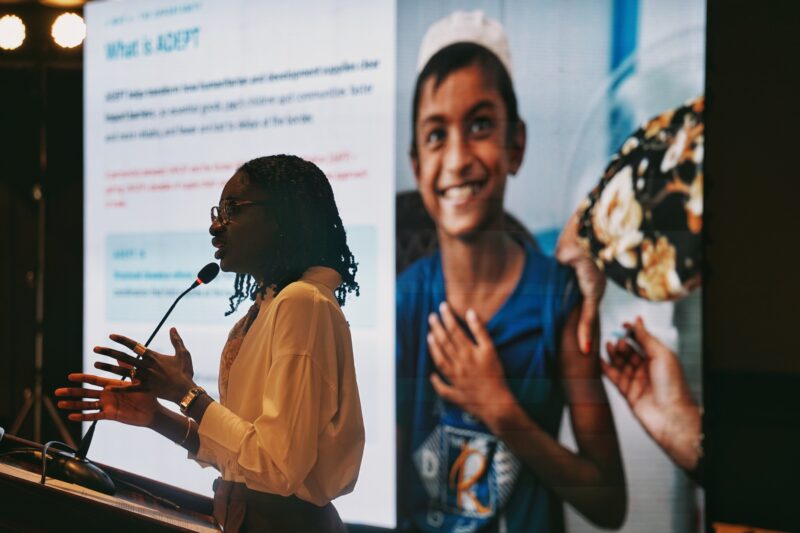
Building on initial research and stakeholder consultations in 2025, the Alliance and UNICEF conducted an in-depth analysis of 43 UNICEF shipments in 2026, tracing their journey from the moment goods were ready at the supplier to delivery. The analysis revealed a significant bottleneck for air shipments: of the 94 days reported along the process, more than half were spent waiting for import approvals before goods could even be dispatched. Working closely with government counterparts, they identified where delays occur and developed practical recommendations to address them.
These include introducing multi-shipment approvals, simplifying procedures for humanitarian supplies and making better use of digital systems, including the Bangladesh Single Window and ASYCUDA.
Progress is already visible. Since November 2025, the average processing time for air shipment exemptions from the Ministry of Disaster Management and Relief has fallen by half from 27 days to under 14 days. In June 2026, the National Board of Revenue also issued UNICEF’s first Advance Income Tax exemption certificate.
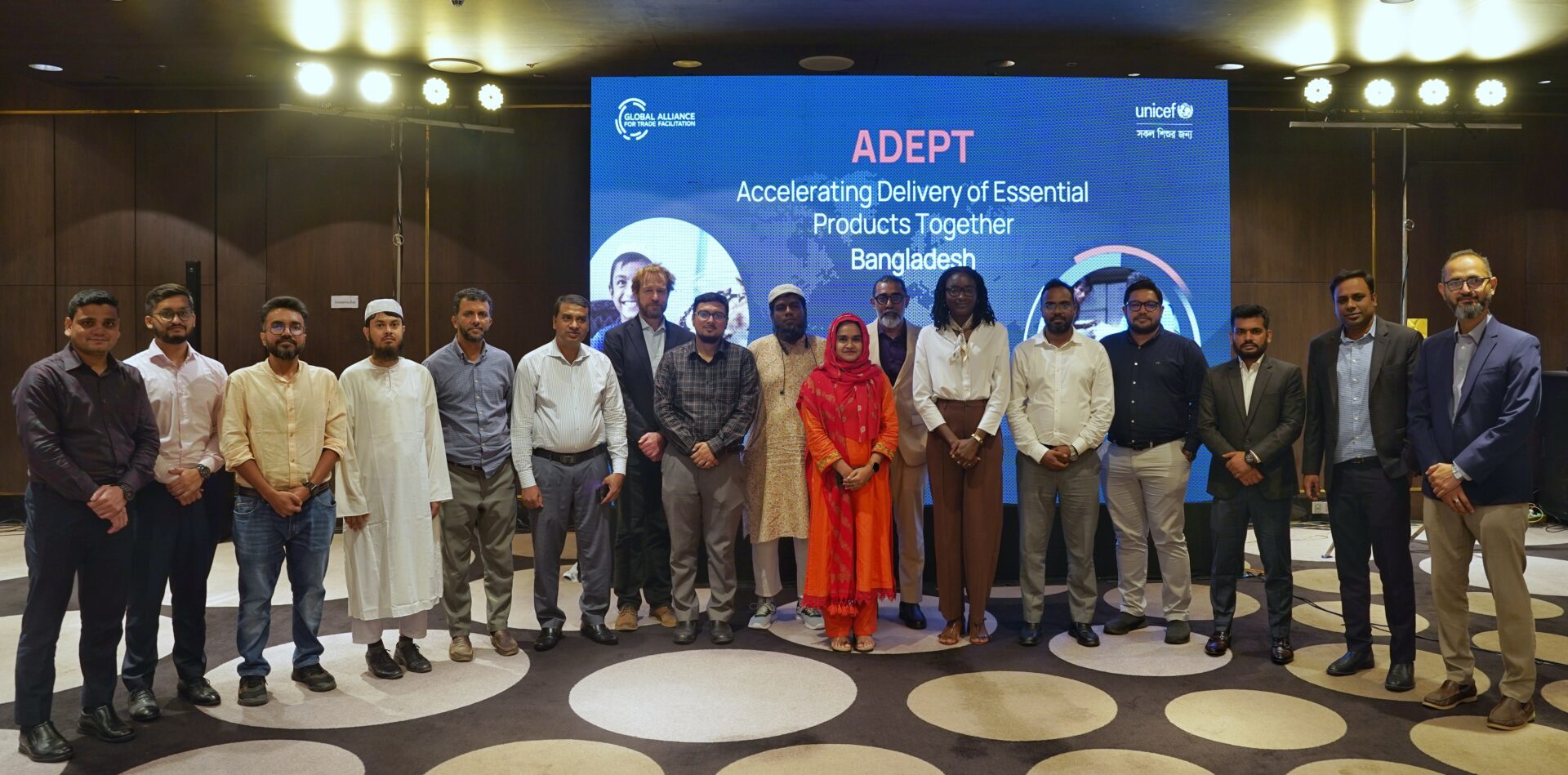
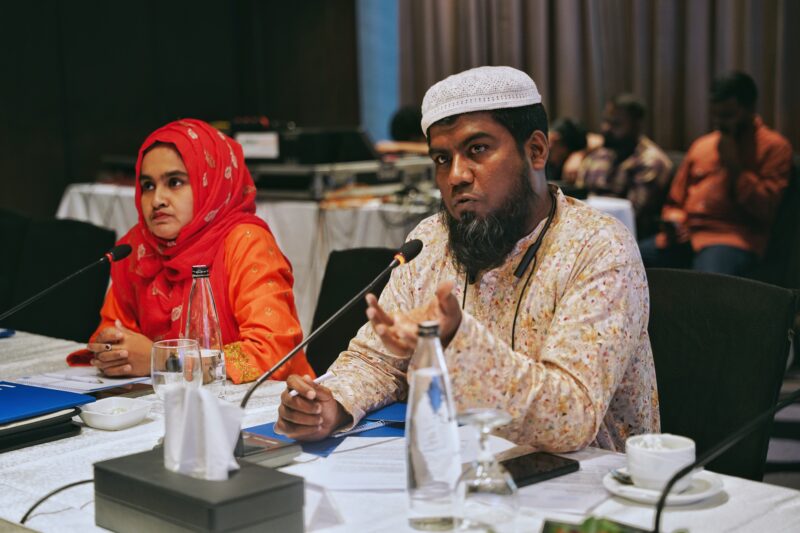 On 26 October, the Alliance and UNICEF Bangladesh brought key Government institutions together in Dhaka for a Stakeholder Consultation Seminar, marking the completion of ADEPT’s first phase and the transition to implementation. Participating institutions reviewed the recommendations relevant to their mandates, expressed support for the proposed measures and identified practical ways to put them into action.
The next phase will focus on translating these commitments into lasting institutional arrangements, supported by regular coordination between government agencies.
For the Alliance and UNICEF, the ambition goes beyond speeding up individual shipments. It is about making the systems behind humanitarian supply chains work better, so that essential products can move more efficiently and predictably.
Ultimately, when border procedures work better, essential supplies can reach the people who need them sooner.