Tegucigalpa, Honduras — When humanitarian supplies are needed, every moment counts. In Honduras, a new digital customs process is helping cut the wait for importation taxes and tariff exemptions on such supplies from up to 10 days to approximately 1–2 days, enabling humanitarian and development organisations to get critical supplies where they are needed faster.
The breakthrough came on 4 September 2026, when UNICEF Honduras completed its first importation using an exemption automatically recognised through SARAH, the core electronic operating system used by Honduran Customs Administration to manage, track, and clear all imports, exports and transit goods entering or leaving the country. The new process was developed as a part of ADEPT (Accelerating the Delivery of Essential Products Together), in collaboration with the Government of Honduras, the Global Alliance for Trade Facilitation (the Alliance) and UNICEF.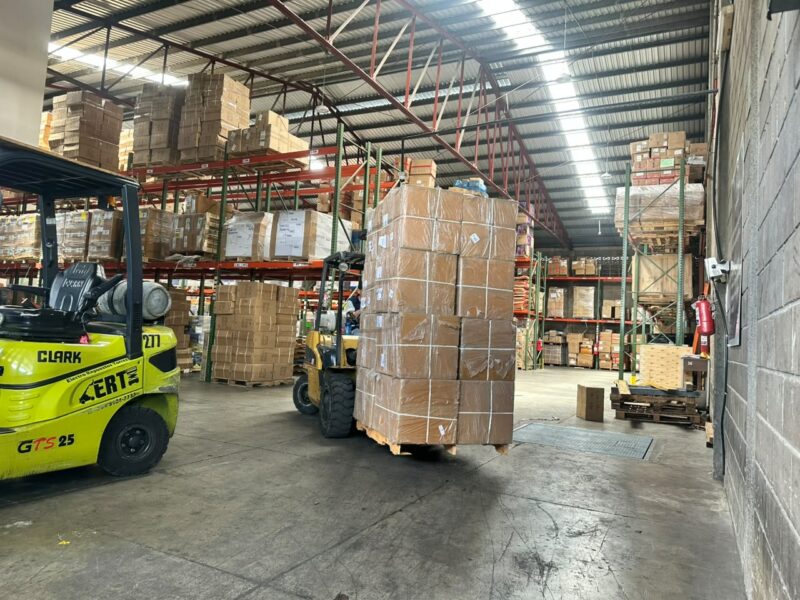
Previously, organisations importing goods eligible by law for tax and tariff exemptions had to navigate a largely manual process that could add days to an already complex supply chain. By integrating the exemption mechanism directly into SARAH, Honduras is removing unnecessary steps, reducing administrative work and speeding up the clearance process once cargo arrives at the port of entry.
The reform builds on work that began in 2024, bringing different government institutions including customs authorities, the Ministry of Finance, the Ministry of Foreign Affairs, the Ministry of Economic Development, UNICEF and trade facilitation experts together to tackle a specific bottleneck in the movement of essential goods. The ADEPT project team provided supply chain expertise and supported coordination across institutions to turn the digital solution from an idea into a functioning process.
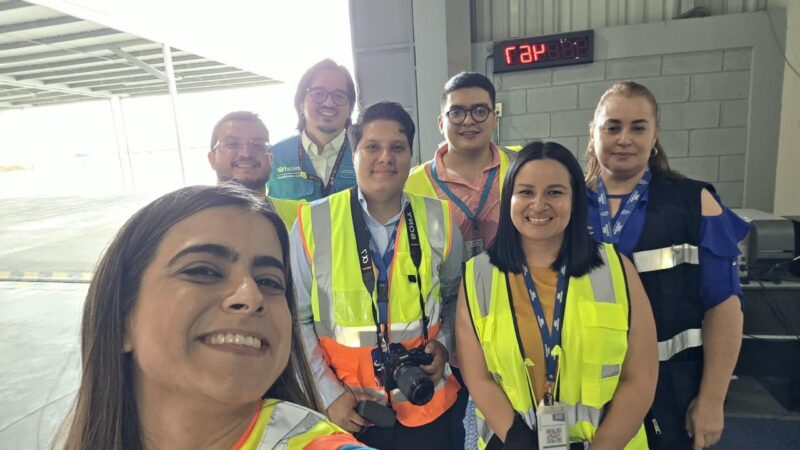 And this is only the beginning. The next phase will look at health supplies, including medicines and medical equipment that can require additional permits or regulatory approvals before customs release. The initiative will explore stronger interoperability between customs and health authorities, while the Ministry of Finance is also considering extending the digital exemption mechanism to other United Nations agencies as well as other international organisations and eligible institutions.
The initiative in Honduras shows what can happen when digitalisation is focused on a very practical problem: less paperwork, shorter wait times and essential goods moving faster. It is a tangible example of how collaborative trade facilitation can strengthen supply chains, support humanitarian operations and make national customs systems work better for the people and organisations that rely on them.