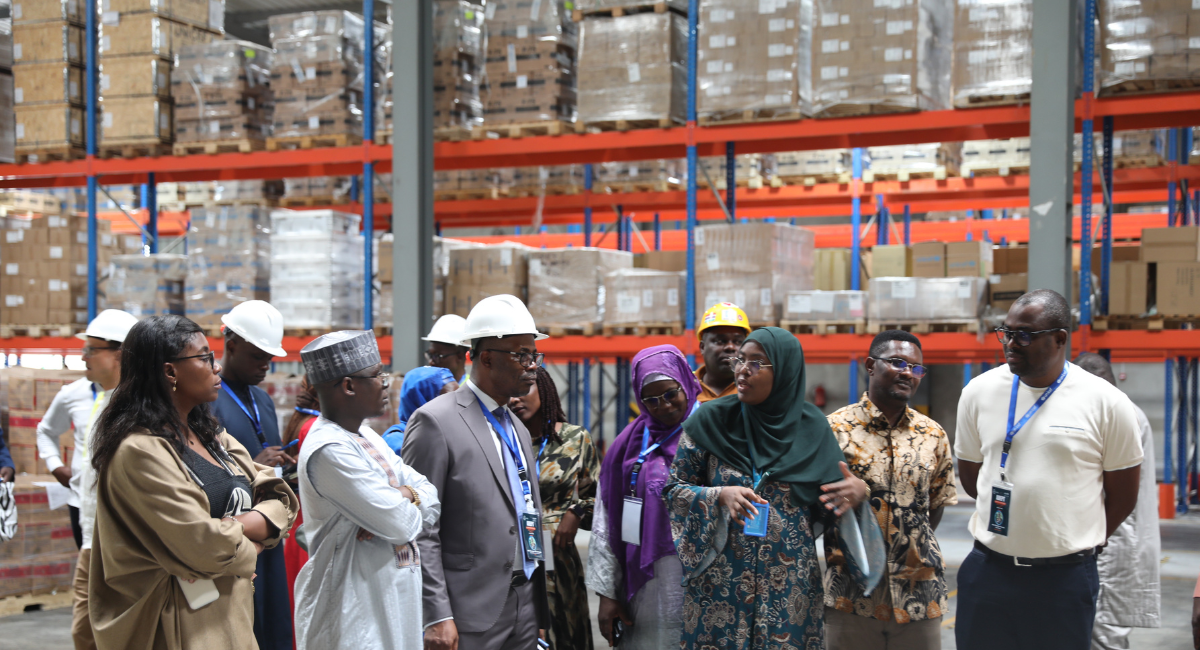
The Global Alliance for Trade Facilitation (the Alliance) and UNICEF in partnership with the Government of Cameroon, organised a national workshop from 5 to 7 May 2026 in Douala, as a part of an ADEPT (Accelerating Delivery of Essential Products Together) project to expedite the imports of essential supplies into the country.
The workshop marked the official launch of the Phase 2 of the project which will digitalise, simplify and optimise import and customs clearance and transit procedures for essential humanitarian and health supplies. It brought together representatives of key ministries, Public Health, Finance, External Relations, as well as the Customs Administration, the Single Window for Foreign Trade Operations (GUCE), United Nations agencies, non‑governmental organisations and private sector partners.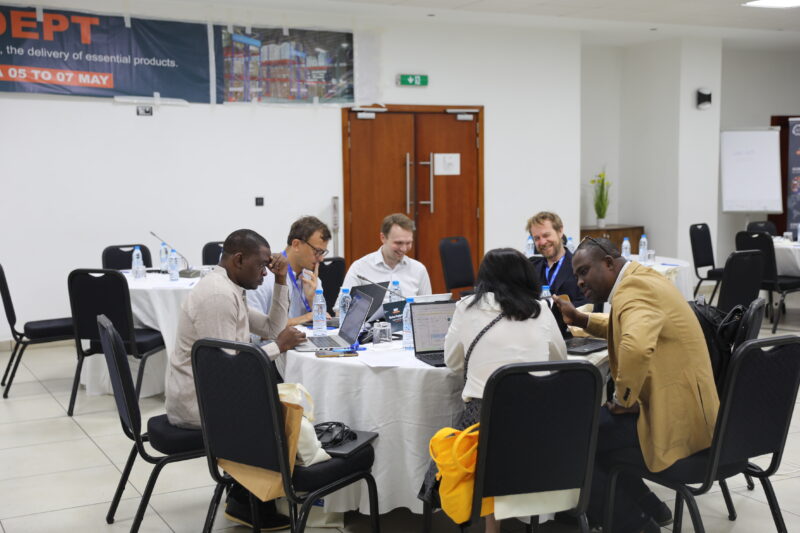
Launched in 2024 by the Alliance and UNICEF, the ADEPT programme seeks to reduce delays, costs and administrative burdens associated with the importation of essential goods such as vaccines, medicines, medical equipment and nutrition inputs. Cameroon was identified as a priority country due to its strategic role as a regional logistics hub, facilitating the delivery of supplies to landlocked countries such as the Central African Republic, Chad and Sudan.
A joint analysis conducted by UNICEF and its partners highlighted the complexity of current processes, which can involve up to 44 different steps and multiple institutions. These constraints lead to delays and additional costs that directly affect the timely delivery of life‑saving supplies to vulnerable populations.
“Efficient and predictable import procedures are critical to ensuring that vaccines, medicines and other essential supplies reach children and communities who need them most, on time. Through the ADEPT programme, UNICEF is supporting the Government of Cameroon in addressing systemic barriers and sustainably strengthening the supply chain,” said Ling Chen, Supply and Logisitcs Manager, UNICEF Cameroon.
Over the three days, participants worked on several priority areas, including:
- identification of bottlenecks related to tax exemptions and customs clearance;
- simplification, standardisation and digitalisation of procedures;
- reduction of avoidable costs, particularly demurrage and detention charges;
- strengthening coordination of transit operations towards neighboring countries.
The discussions were structured around dedicated sessions for the public sector, humanitarian partners and regional transit operations, to ensure an inclusive and operational approach to reforms.
At the end of the workshop, stakeholders agreed on concrete reforms, including the integration of tax exemption procedures into national digital systems such as GUCE, the development of a harmonised procedural framework, and the establishment of a multi‑sectoral technical working group to monitor the implementation of priority actions.
“ADEPT demonstrates how practical trade facilitation solutions can help improve access to essential goods for those who need them most. The Alliance’s public-private partnership approach combined with UNICEF’s supply chain management, will enable Cameroon to modernise its cross-border trade procedures and strengthen its role as a regional logistics corridor,” emphasised Chris Holden, Programme Manager, the Alliance.
These reforms are aligned with Cameroon’s commitments under the WTO Trade Facilitation Agreement and the African Continental Free Trade Area (AfCFTA), with the ultimate objective of improving rapid and equitable access to essential supplies for populations.