
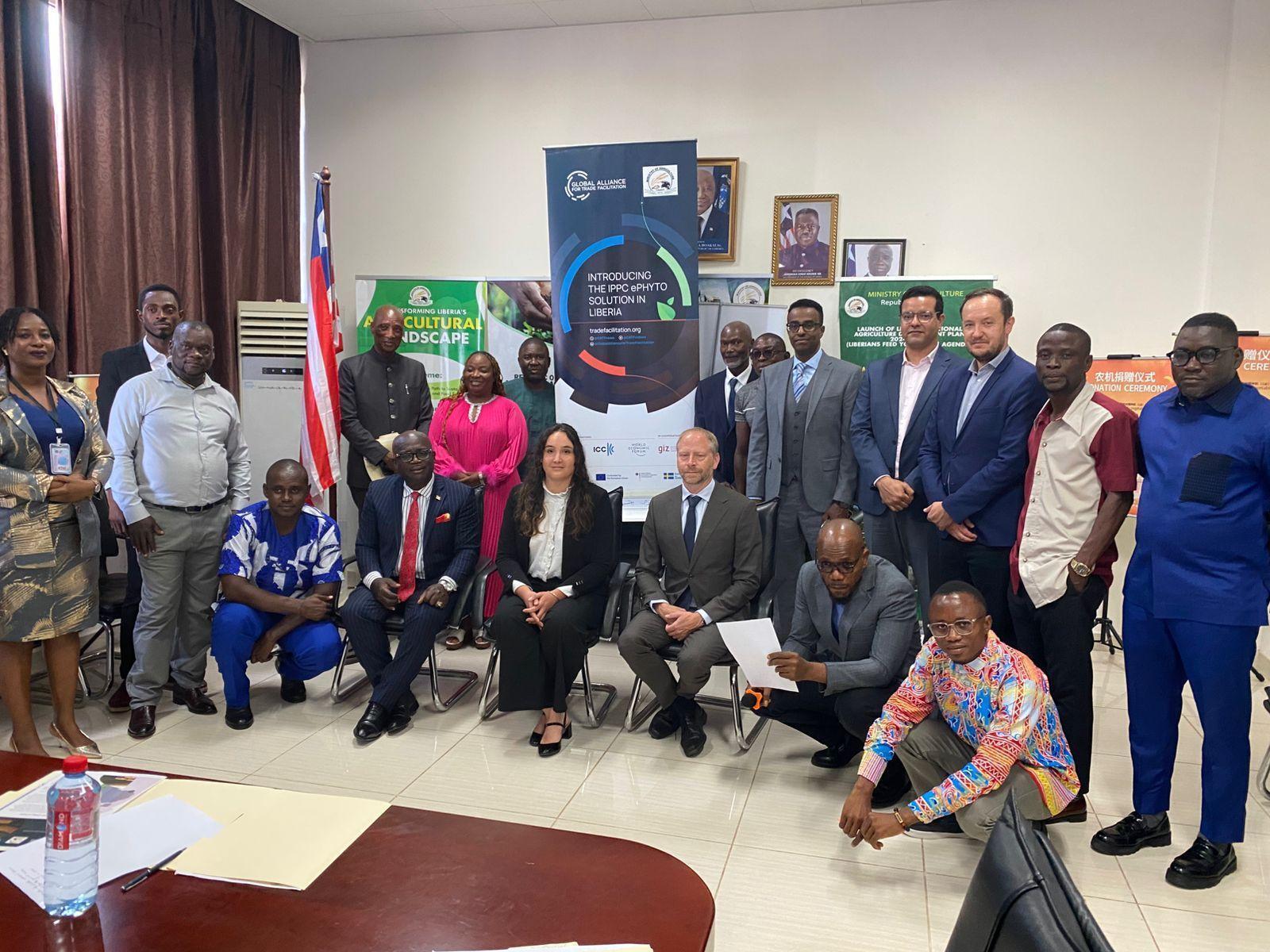
Monrovia, Liberia, 20 April 2026 — The Alliance and the Plant and Animal Quarantine Services of Liberia (PAQS) have launched a new project to support the digitalisation of phytosanitary certification by introducing the International Plant Protection Convention (IPPC) ePhyto Solution.
The project was formally introduced during a kick-off event bringing together representatives from the Ministry of Agriculture, the Ministry of Commerce and Industry, the Liberia Revenue Authority, PAQS and business associations. The event marked the start of the implementation phase and highlighted institutional support for the project.
In Liberia, phytosanitary certificates are currently fully paper-based. Manual procedures can be slow and prone to errors, increasing the risk of delays, document loss or damage, and additional costs for traders.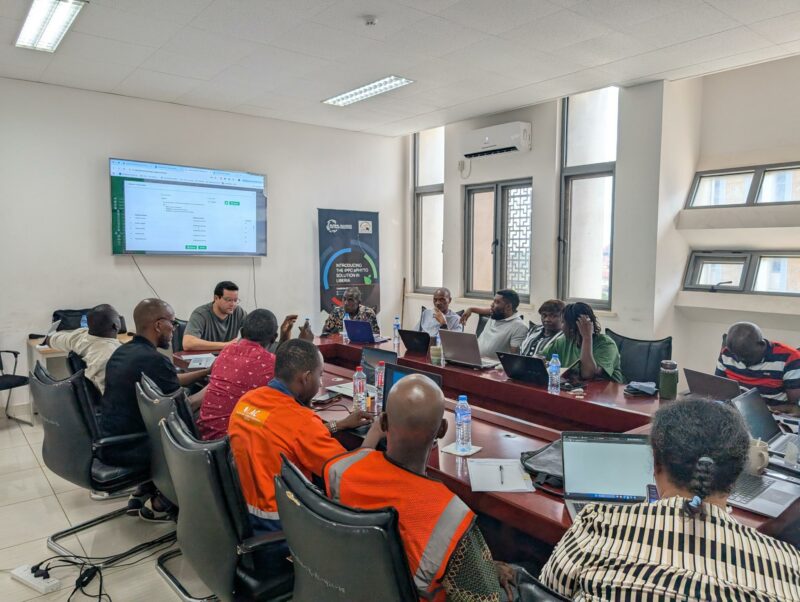
Through the project, the Alliance will support the configuration and deployment of the Generic ePhyto National System (GeNS), provide training for PAQS staff and selected private-sector users, equip officials with the necessary IT tools and pilot exchanges of electronic certificates before scaling up nationwide use.
“Introducing electronic phytosanitary certification in Liberia will help make plant health procedures more predictable and easier to manage for traders and authorities alike. Through the Regional ePhyto Window funded by Sweden, this work also supports broader efforts to expand trusted digital certification systems and strengthen agricultural trade across Africa,” said Alliance Director, Philippe Isler.
“Modernising phytosanitary certification is an important step towards strengthening Liberia’s agricultural trade systems,” said Dr. J. Alexander Nuetah, Ministry of Agriculture. “The introduction of electronic certification will help our teams manage plant health documentation more effectively and better support exporters moving agricultural products to international markets.”
By replacing paper certificates with secure digital documents, the project is expected to reduce delays and administrative costs, improve the efficiency of certification procedures and strengthen the security and traceability of phytosanitary documents.
Following the kick-off event, the project team will continue strategic planning with national authorities and start capacity-building sessions for an initial group of users on the GeNS system.